
Cart

Your cart is currently empty.

Continue shopping
1 / 1

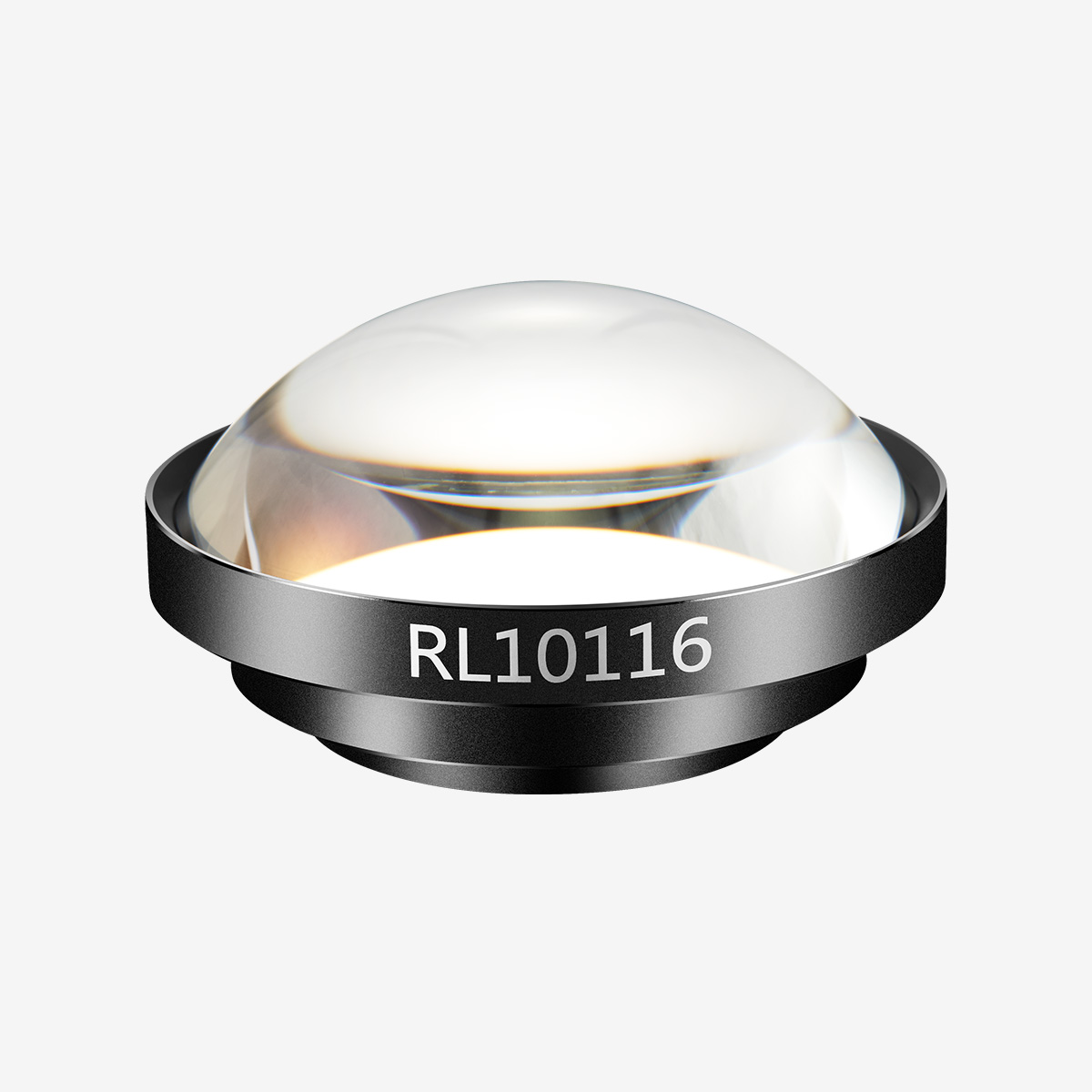
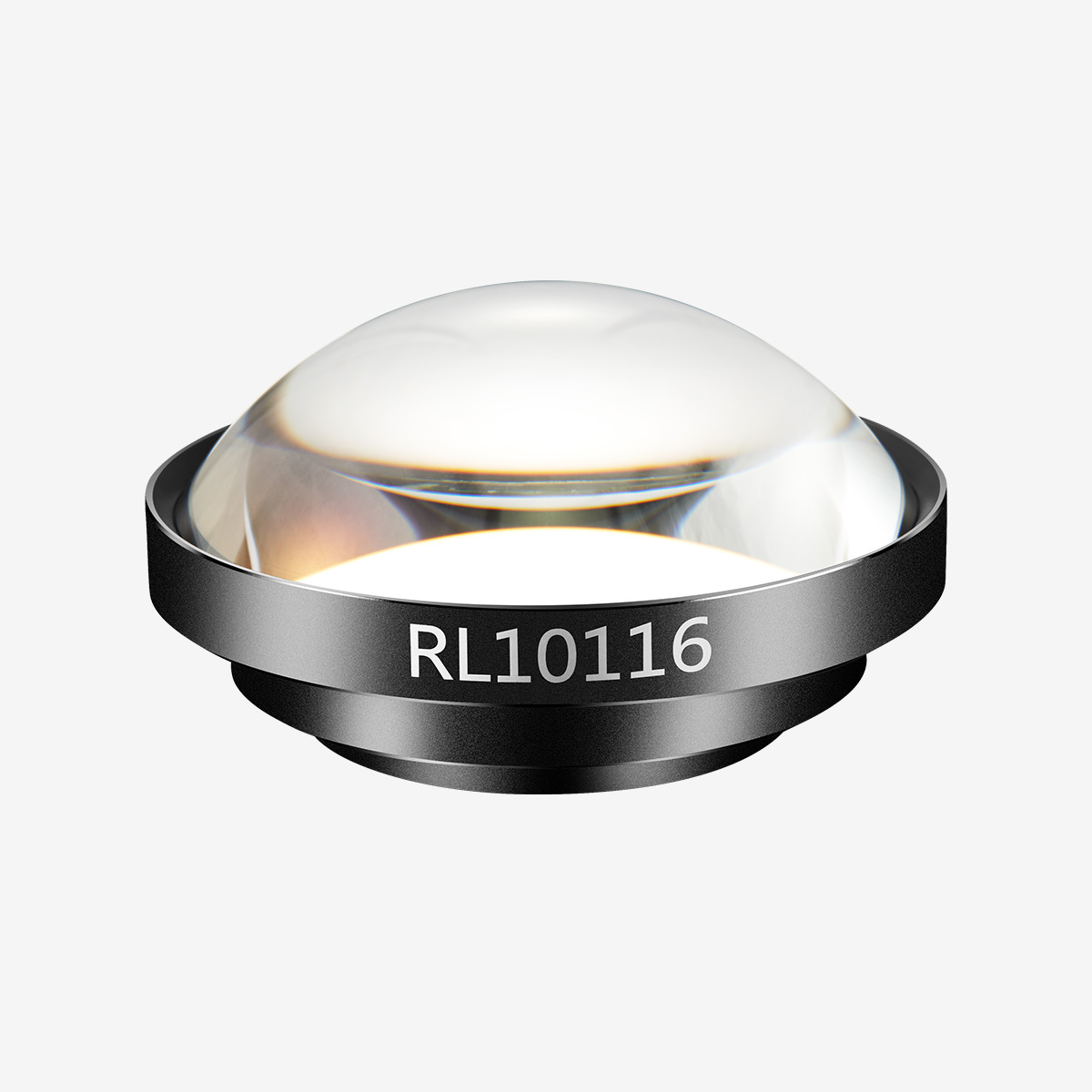
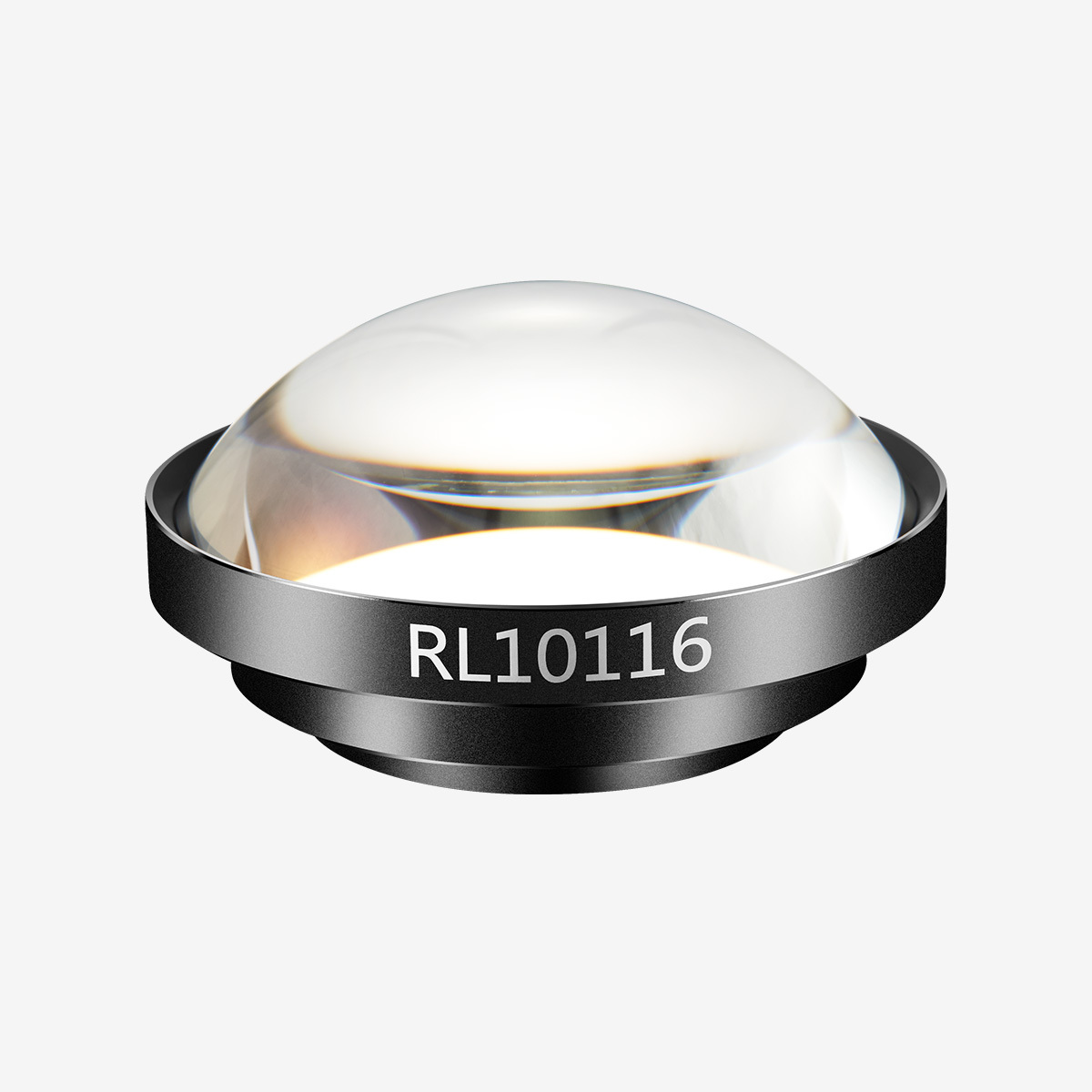
FOV116 MDR10 Camera Relay Lens | RL10116 LONTRY®

RL10116
$650.00 USD
Shipping calculated at checkout.
Quantity
camera relay lens

Description

Camera Relay Lens Specification

Model RL10116
FOV Angle 116°
MDR 10mm
Aperture 4.5mm
Weight 0.51kg
Range of Simulated Distance 350-INFmm
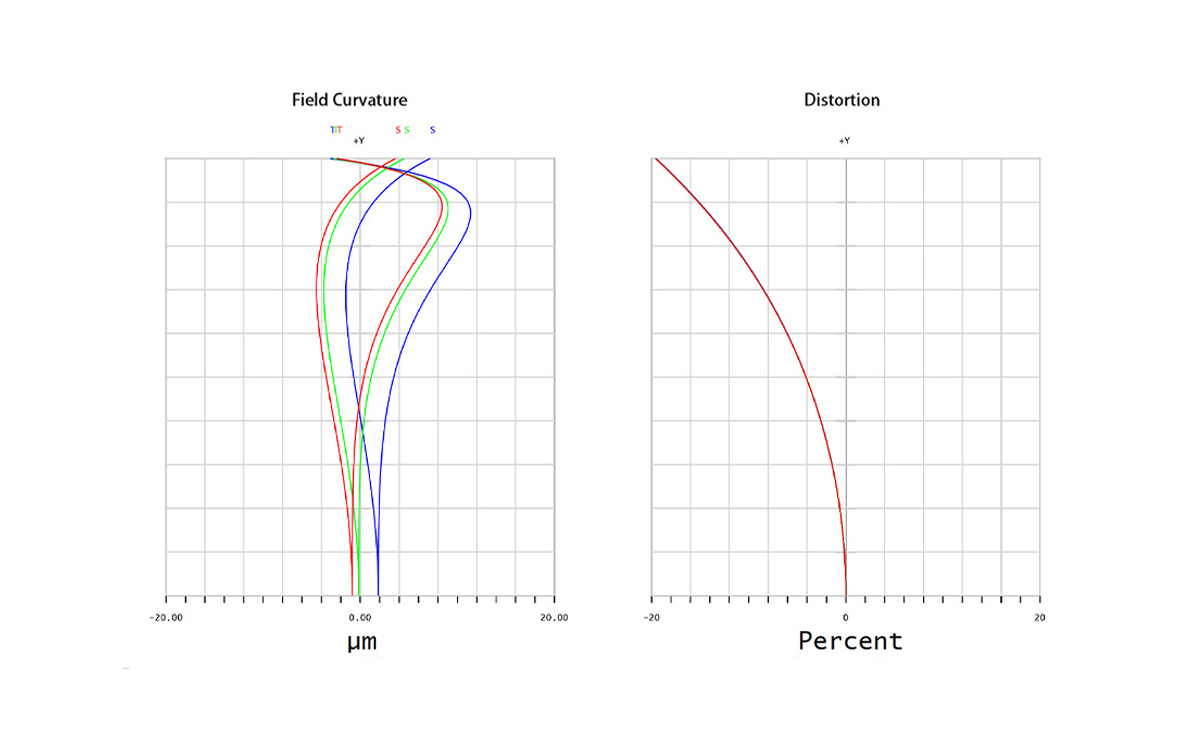
Distortion <20%
Outline Dimensions Φ89.5x48.54mm

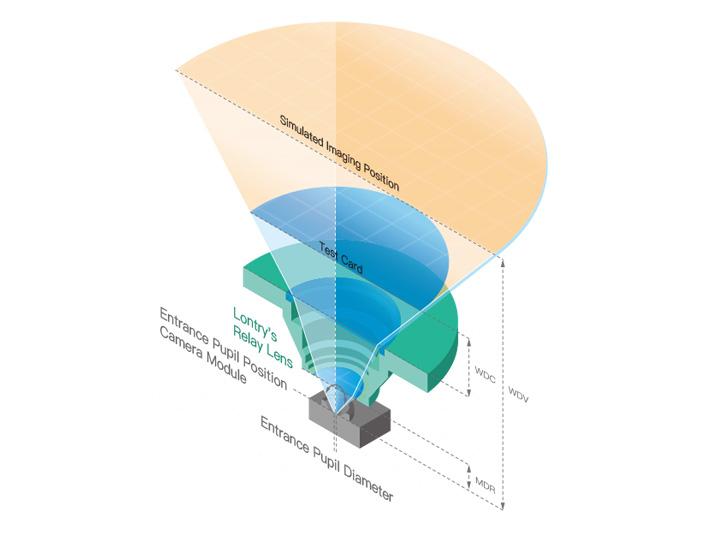
Structural Dimension Drawing of Camera Relay Lens
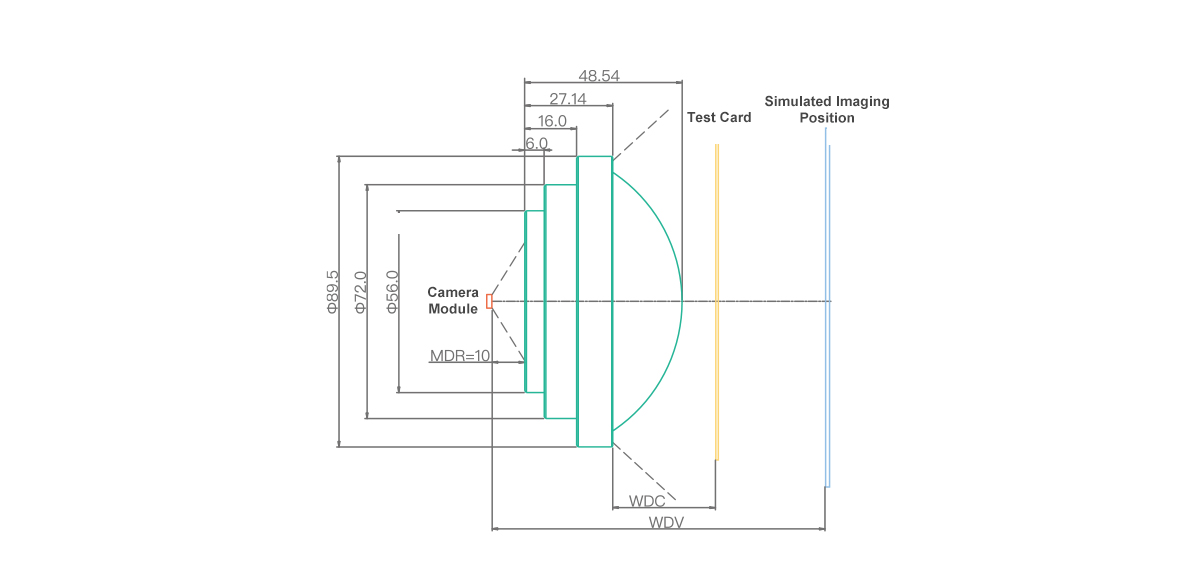
 

*MDR: The installation distance from the camera module to the relay lens camera end .  WDV: Distance from the camera module to the simulated imaging position.
  WDC: Distance from the relay lens object end to the test card.


Optical Properties of Camera Relay Lens
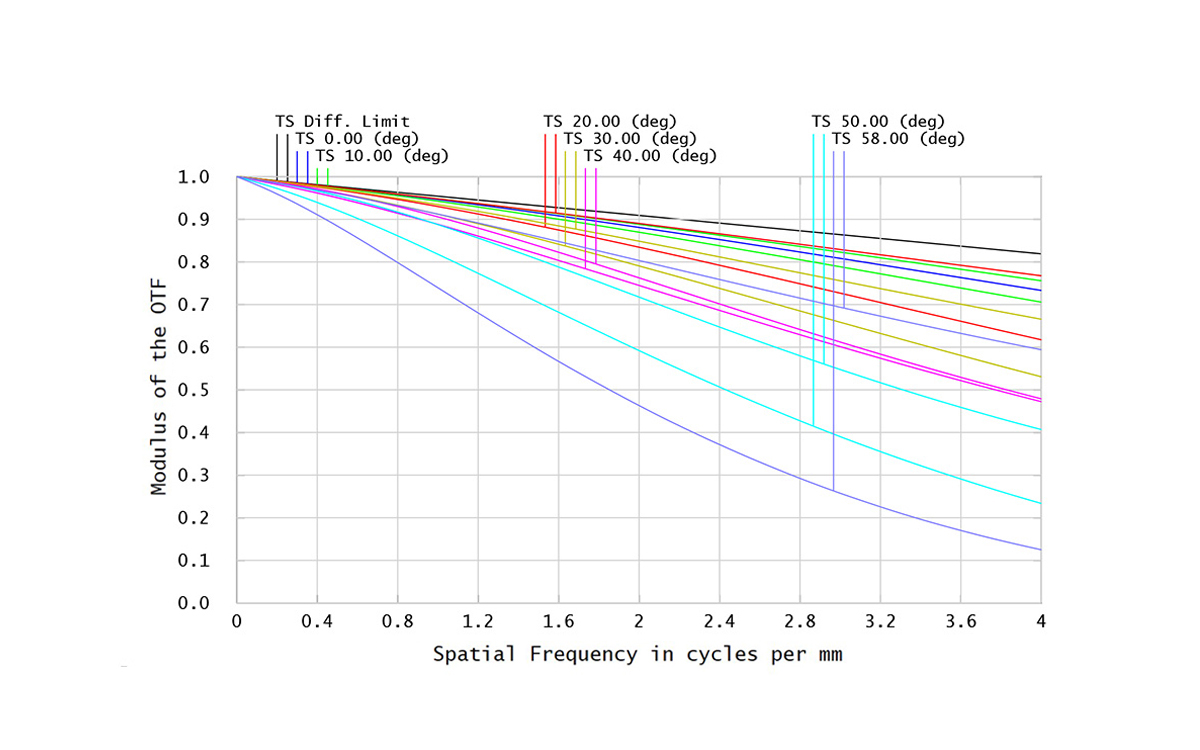
 

Size of Test Card at Maximum Angle

WDV (mm)Distance from the Camera Module to the Simulated Imaging Position WDC (mm)Distance from the Relay Lens Object End to the Test Card Test Card Dimensions(LXW)
16:9 4:3
Length (mm) Width (mm) Length (mm) Width (mm)
400 213.18 415.22 233.56 381.12 285.84
1000 275.43 515.19 289.79 472.88 354.66
5000 322.57 590.93 332.40 542.40 406.80
Infinite Distance 336.59 613.41 345.05 563.04 422.28

Why use Camera Relay Lens?

• Reducing Testing Cost

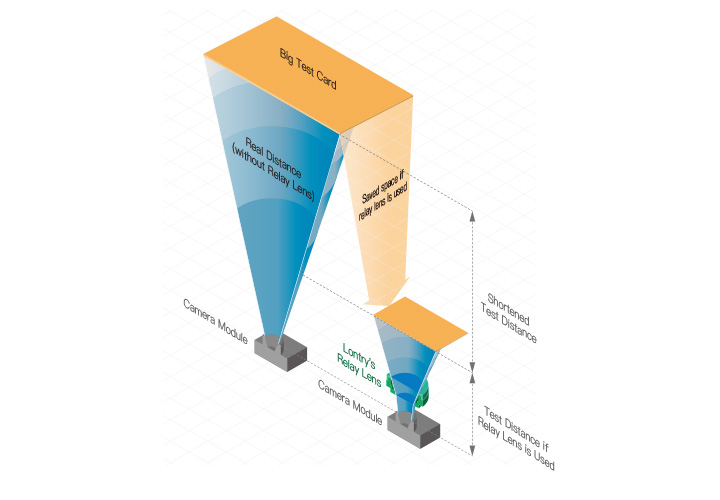
When the camera module is tested, you need a large test distance and a large target. If the relay lens is used, you can shorten the test distance and reduce the test chart, thereby reducing the test cost in the end.

• Improving Test Credibility

Using relay lens in testing can ensure high-quality imaging and footage. What's more, due to the standard test environment, the impact of random errors and uncontrollable factors on the test results can be significantly reduced and the test credibility can be improved.

• Increasing Production Efficiency

As relay lens is widely used in the testing of camera modules, the size of production and testing equipment related to camera modules has been well controlled, improving productivity and reducing costs. It also provides effective and feasible solutions for other applications that require testing of camera, such as laboratories.

Application of Camera Relay Lens

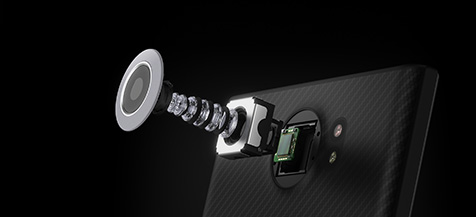
Relay lens is mainly used for camera resolution test. With the development of mobile camera, its application has been constantly extended. It has been used in vehicle, security, video conference equipment, smart home and other fields. In particular, it plays an irreplaceable role in the production and testing of wide-angle and long-focus modules.

Currently, simulation testing (relay lens or collimator array) is almost the only solution in all mass AA (active alignment) production processes, module focusing, and product terminal testing.

Mobile Camera

On-Board Camera

Security Camera

Video Conference Camera

Smart Home Camera

How to select Camera Relay Lens?

1: FOV

The design FOV of a relay lens shall be slightly larger than the FOV of the camera module.

2: Installation

The parameter design of relay lens takes into account the support for installation structure, so the following three data should be considered when selecting a relay lens:

MDR (the distance from the mechanical rear surface of relay lens to the camera viewpoint) of 6-40mm is suitable;

WDC (the distance from the mechanical front surface (non-optical surface) of relay lens to the chart being tested) shall be usually 150-400mm;

The maximum chart size that the test environment can support.

3: Entrance pupil diameter

The entrance pupil diameter (EFL focal length/F.no focal number) of a product shall be smaller than the exit pupil diameter of relay lens.

Elements included in a typical Camera Relay Lens Test Environment

 
Flat light Panel

The luminous area shall be customized according to the parameters of a relay lens; Uniformity shall be greater than 90%; Color temperature shall be 2,700-7,000k; Various infrared bands are optional.

 
Transmissive Chart

Film is most commonly used; Accuracy shall be ±10 μm; Accuracy shall not be less than 8,000DPI; Suitable edge sharpness of graphics.

 
Relay Lens

Select a relay lens according to its optical parameters and test environment.

 
Bracket

The center of the tested product, relay lens and chart shall be on the same optical axis; Fixed or adjustable height.

 
Tested Product

Camera Module


FAQ of Camera Relay Lens

1. Which camera modules are suitable for the RL10116 camera relay lens?

The RL10116 is a Wide Angle Relay Lens with a maximum field angle of 116°. The relay-lens FOV should be slightly larger than the camera module’s FOV, so corner coverage and test margin must be verified when testing modules close to 116°.

2. What simulated distance range does the camera relay lens support?

As a Camera Module Testing Lens, the RL10116 can simulate imaging distances from 350 mm to infinity within a shorter physical test space. WDV represents the distance from the camera module to the simulated chart image, while WDC is the physical distance from the lens object end to the test chart.

3. What does the 10 mm MDR specification of the camera relay lens mean?

For this Optical Relay Lens, MDR is the mounting distance between the camera module and the camera-side end of the relay lens. The test fixture must maintain the specified 10 mm distance to preserve the intended optical relationship.

4. How should the test chart size be selected for the camera relay lens?

A Camera Testing Relay Lens requires the chart size to be selected according to the simulated distance, camera aspect ratio and maximum field angle. At a 400 mm simulated distance, the required chart is approximately 415.22 × 233.56 mm for 16:9 or 381.12 × 285.84 mm for 4:3.

5. What wavelength and pupil requirements apply to the camera relay lens?

The specified wavelength range is 420–900 nm, and the exit-pupil aperture is 4.5 mm. The camera module’s entrance-pupil diameter, calculated from focal length divided by F-number, should be smaller than the relay lens’s exit pupil to avoid optical clipping.

6. What equipment is required to build a camera relay lens test station?

A typical setup includes a flat light panel, a transmissive test chart, the relay lens, an alignment bracket and the camera module. The light panel should provide more than 90% uniformity, while the chart should offer ±10 μm accuracy and at least 8,000 DPI. All components must share the same optical axis.

Important Note

Important Shipping & Customs Information
 
Please note: Your order total includes product cost and shipping fees only. Import duties and customs fees are not included and will be collected separately by your local customs authority upon delivery.
 
Customs & Duties
  • Import duties vary by destination country and are determined by your local customs office
  • You will be contacted directly by customs or the delivery carrier to arrange payment
  • Oklab cannot pre-collect customs fees as rates differ across international destinations
 
Additional Documentation
If your delivery location requires special documentation (such as tax ID numbers or import licenses), our team will contact you after order placement to obtain the necessary information.
 
Questions?
For shipping inquiries, please contact us at sales@oklab.com
 
By placing an order, you acknowledge responsibility for any applicable import duties, taxes, and customs fees in your country.
  • Description

  • Important Note

Camera Relay Lens Specification

Model RL10116
FOV Angle 116°
MDR 10mm
Aperture 4.5mm
Weight 0.51kg
Range of Simulated Distance 350-INFmm
Distortion <20%
Outline Dimensions Φ89.5x48.54mm

Structural Dimension Drawing of Camera Relay Lens


*MDR: The installation distance from the camera module to the relay lens camera end .  WDV: Distance from the camera module to the simulated imaging position.
  WDC: Distance from the relay lens object end to the test card.


Optical Properties of Camera Relay Lens
 

Size of Test Card at Maximum Angle

WDV (mm)Distance from the Camera Module to the Simulated Imaging Position WDC (mm)Distance from the Relay Lens Object End to the Test Card Test Card Dimensions(LXW)
16:9 4:3
Length (mm) Width (mm) Length (mm) Width (mm)
400 213.18 415.22 233.56 381.12 285.84
1000 275.43 515.19 289.79 472.88 354.66
5000 322.57 590.93 332.40 542.40 406.80
Infinite Distance 336.59 613.41 345.05 563.04 422.28

Why use Camera Relay Lens?

• Reducing Testing Cost

When the camera module is tested, you need a large test distance and a large target. If the relay lens is used, you can shorten the test distance and reduce the test chart, thereby reducing the test cost in the end.

• Improving Test Credibility

Using relay lens in testing can ensure high-quality imaging and footage. What's more, due to the standard test environment, the impact of random errors and uncontrollable factors on the test results can be significantly reduced and the test credibility can be improved.

• Increasing Production Efficiency

As relay lens is widely used in the testing of camera modules, the size of production and testing equipment related to camera modules has been well controlled, improving productivity and reducing costs. It also provides effective and feasible solutions for other applications that require testing of camera, such as laboratories.
Application of Camera Relay Lens

Relay lens is mainly used for camera resolution test. With the development of mobile camera, its application has been constantly extended. It has been used in vehicle, security, video conference equipment, smart home and other fields. In particular, it plays an irreplaceable role in the production and testing of wide-angle and long-focus modules.

Currently, simulation testing (relay lens or collimator array) is almost the only solution in all mass AA (active alignment) production processes, module focusing, and product terminal testing.
Mobile Camera
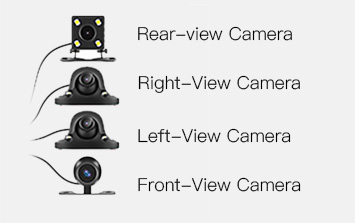
On-Board Camera
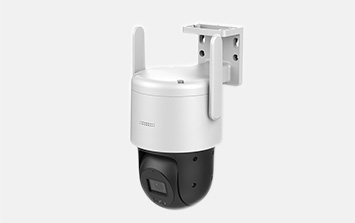
Security Camera
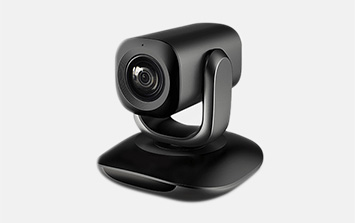
Video Conference Camera
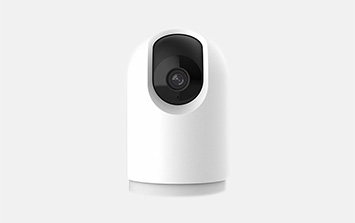
Smart Home Camera

How to select Camera Relay Lens?

1: FOV

The design FOV of a relay lens shall be slightly larger than the FOV of the camera module.

2: Installation

The parameter design of relay lens takes into account the support for installation structure, so the following three data should be considered when selecting a relay lens:

MDR (the distance from the mechanical rear surface of relay lens to the camera viewpoint) of 6-40mm is suitable;

WDC (the distance from the mechanical front surface (non-optical surface) of relay lens to the chart being tested) shall be usually 150-400mm;

The maximum chart size that the test environment can support.

3: Entrance pupil diameter

The entrance pupil diameter (EFL focal length/F.no focal number) of a product shall be smaller than the exit pupil diameter of relay lens.
Elements included in a typical Camera Relay Lens Test Environment

 
Flat light Panel

The luminous area shall be customized according to the parameters of a relay lens; Uniformity shall be greater than 90%; Color temperature shall be 2,700-7,000k; Various infrared bands are optional.

 
Transmissive Chart

Film is most commonly used; Accuracy shall be ±10 μm; Accuracy shall not be less than 8,000DPI; Suitable edge sharpness of graphics.

 
Relay Lens

Select a relay lens according to its optical parameters and test environment.

 
Bracket

The center of the tested product, relay lens and chart shall be on the same optical axis; Fixed or adjustable height.

 
Tested Product

Camera Module


FAQ of Camera Relay Lens

1. Which camera modules are suitable for the RL10116 camera relay lens?

The RL10116 is a Wide Angle Relay Lens with a maximum field angle of 116°. The relay-lens FOV should be slightly larger than the camera module’s FOV, so corner coverage and test margin must be verified when testing modules close to 116°.

2. What simulated distance range does the camera relay lens support?

As a Camera Module Testing Lens, the RL10116 can simulate imaging distances from 350 mm to infinity within a shorter physical test space. WDV represents the distance from the camera module to the simulated chart image, while WDC is the physical distance from the lens object end to the test chart.

3. What does the 10 mm MDR specification of the camera relay lens mean?

For this Optical Relay Lens, MDR is the mounting distance between the camera module and the camera-side end of the relay lens. The test fixture must maintain the specified 10 mm distance to preserve the intended optical relationship.

4. How should the test chart size be selected for the camera relay lens?

A Camera Testing Relay Lens requires the chart size to be selected according to the simulated distance, camera aspect ratio and maximum field angle. At a 400 mm simulated distance, the required chart is approximately 415.22 × 233.56 mm for 16:9 or 381.12 × 285.84 mm for 4:3.

5. What wavelength and pupil requirements apply to the camera relay lens?

The specified wavelength range is 420–900 nm, and the exit-pupil aperture is 4.5 mm. The camera module’s entrance-pupil diameter, calculated from focal length divided by F-number, should be smaller than the relay lens’s exit pupil to avoid optical clipping.

6. What equipment is required to build a camera relay lens test station?

A typical setup includes a flat light panel, a transmissive test chart, the relay lens, an alignment bracket and the camera module. The light panel should provide more than 90% uniformity, while the chart should offer ±10 μm accuracy and at least 8,000 DPI. All components must share the same optical axis.

Important Shipping & Customs Information
 
Please note: Your order total includes product cost and shipping fees only. Import duties and customs fees are not included and will be collected separately by your local customs authority upon delivery.
 
Customs & Duties
  • Import duties vary by destination country and are determined by your local customs office
  • You will be contacted directly by customs or the delivery carrier to arrange payment
  • Oklab cannot pre-collect customs fees as rates differ across international destinations
 
Additional Documentation
If your delivery location requires special documentation (such as tax ID numbers or import licenses), our team will contact you after order placement to obtain the necessary information.
 
Questions?
For shipping inquiries, please contact us at sales@oklab.com
 
By placing an order, you acknowledge responsibility for any applicable import duties, taxes, and customs fees in your country.

You may also like