
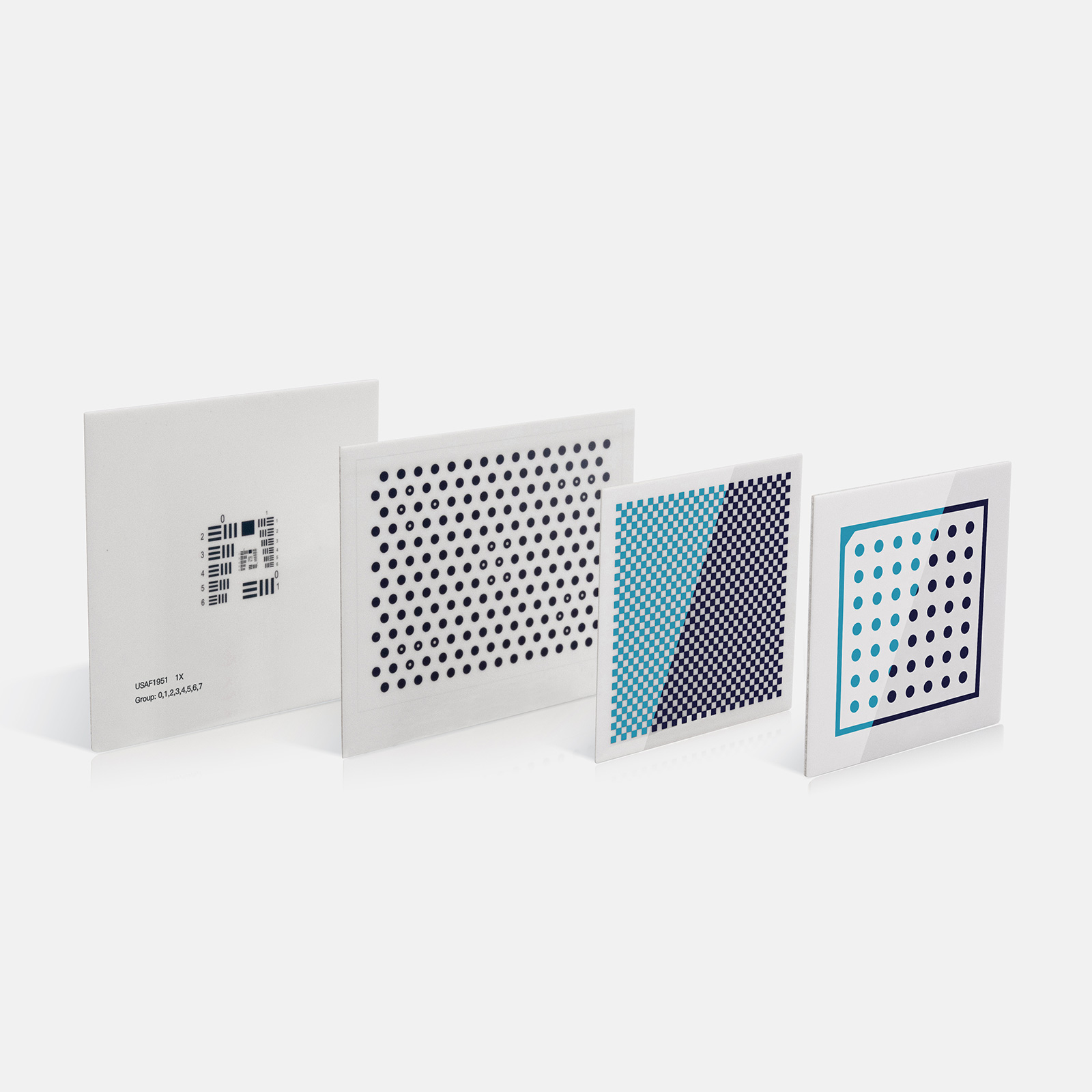
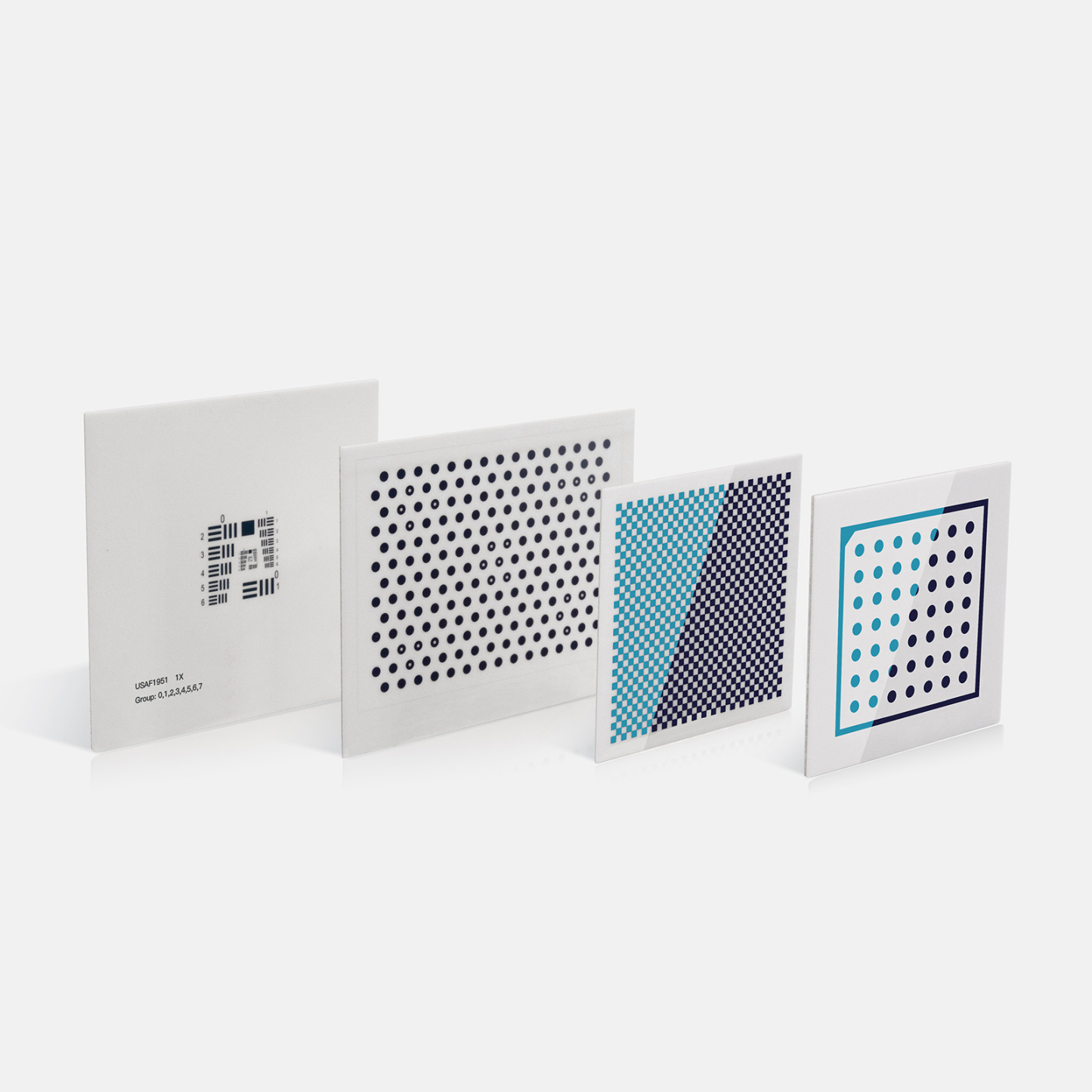

Specification of Chrome Photomask
| Product Specification | |||||||
| Pattern | Substrate Material | ||||||
| Production Process | Laser Writing | Type | Chrome pattern on the matte ceramic substrate |
Chrome pattern on the glossy ceramic substrate |
|||
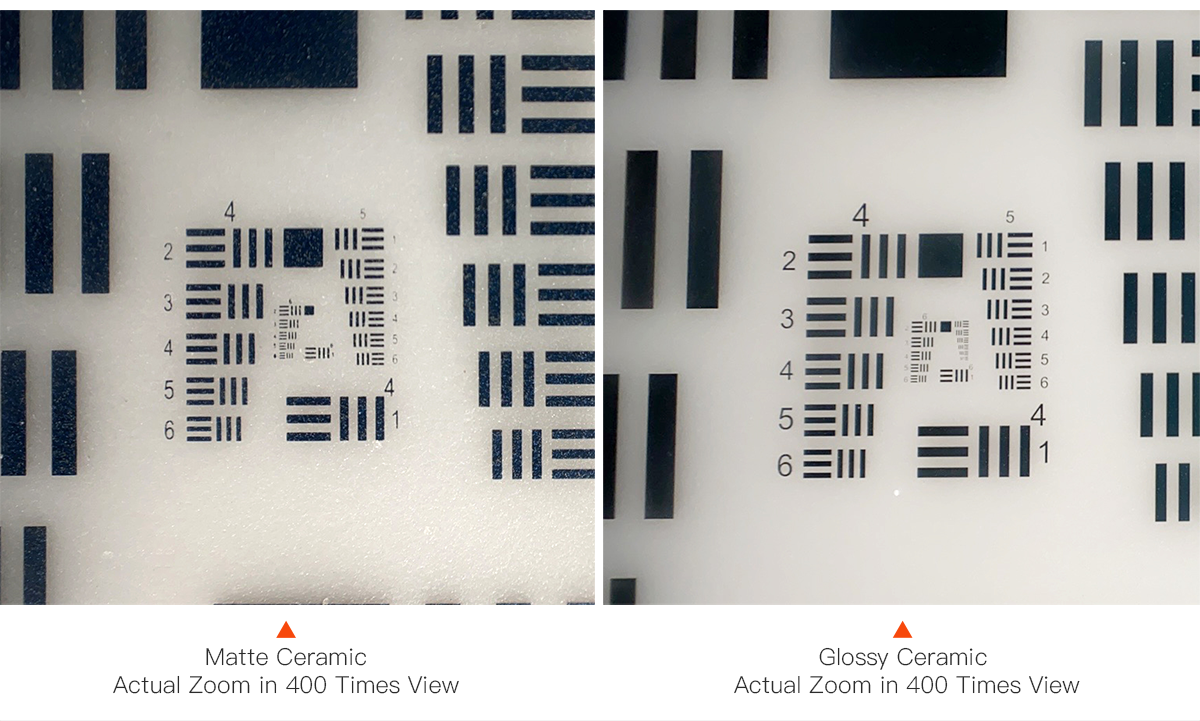
| Type | Matte Ceramic | Glossy Ceramic | Substrate Material of Ceramic |
White or near white reflective material, comprising of 96% compacted Alumina. |
|||
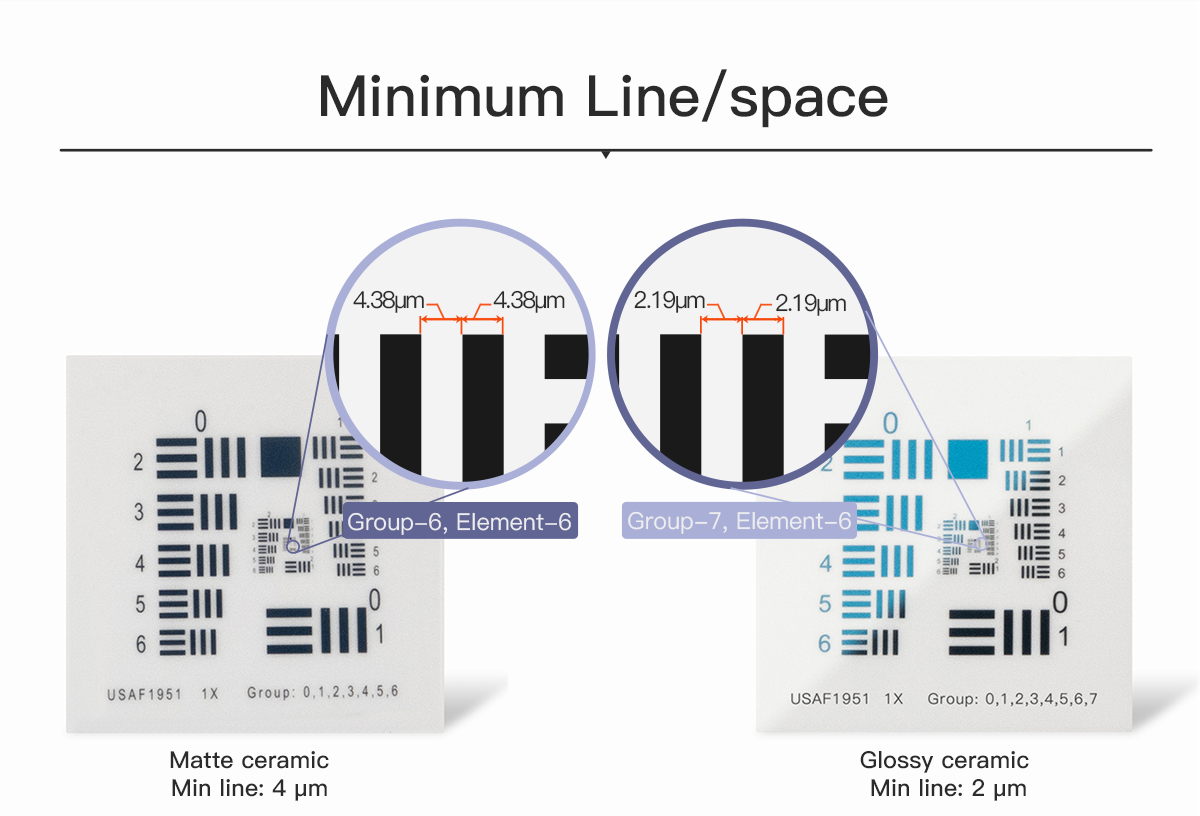
| Minimum Line/space |
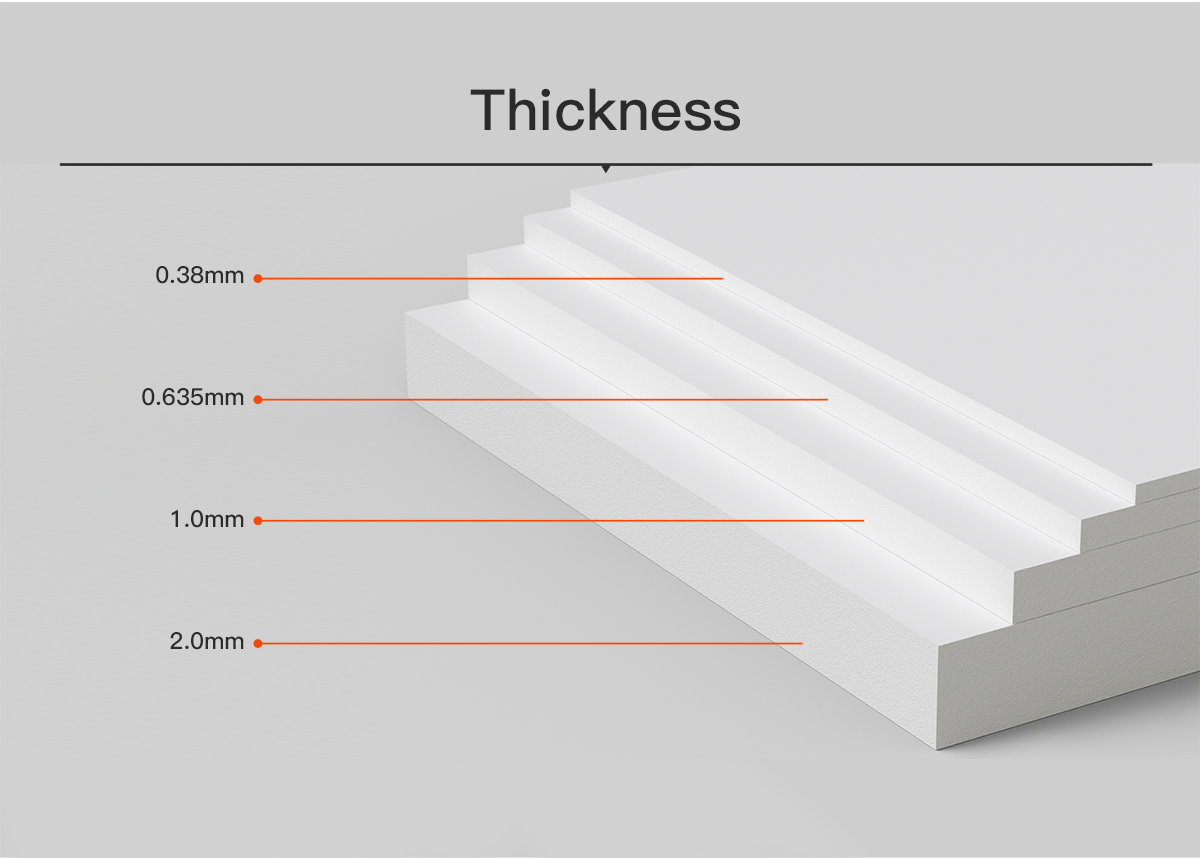
4μm | 2μm | Thickness | 1mm (±0.1mm) (common) |
0.38mm (±0.1mm) |
0.635mm (±0.1mm) |
2mm (±0.1mm) |
| Feature Accuracy |
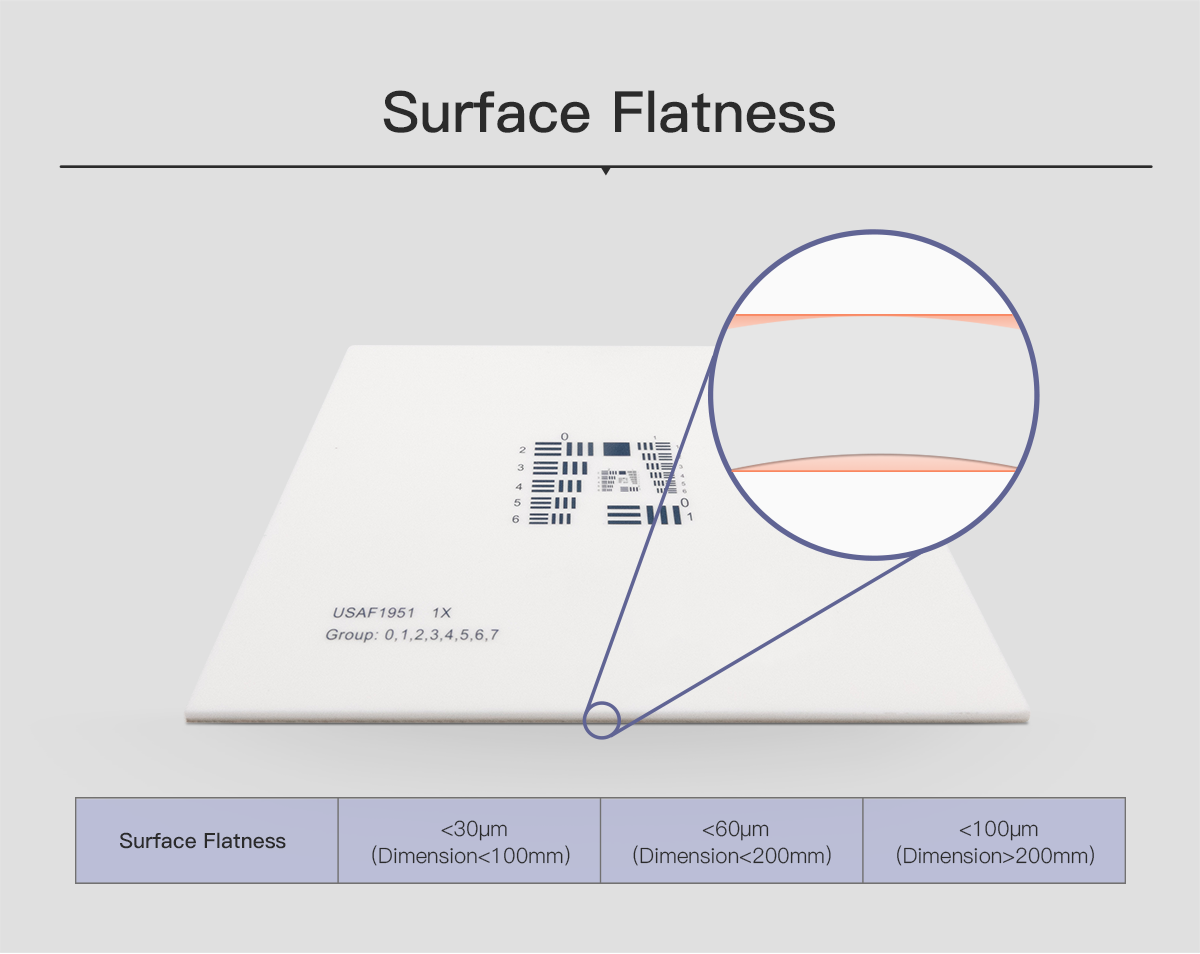
±2μm | ±1μm | Surface Flatness) | <30μm (Dimension<100mm) |
<60μm (Dimension<200mm) |
<100μm (Dimension>200mm) |
|
| Overall Accuracy |
±2μm | ±1μm | MAX / MIN Overall Size |
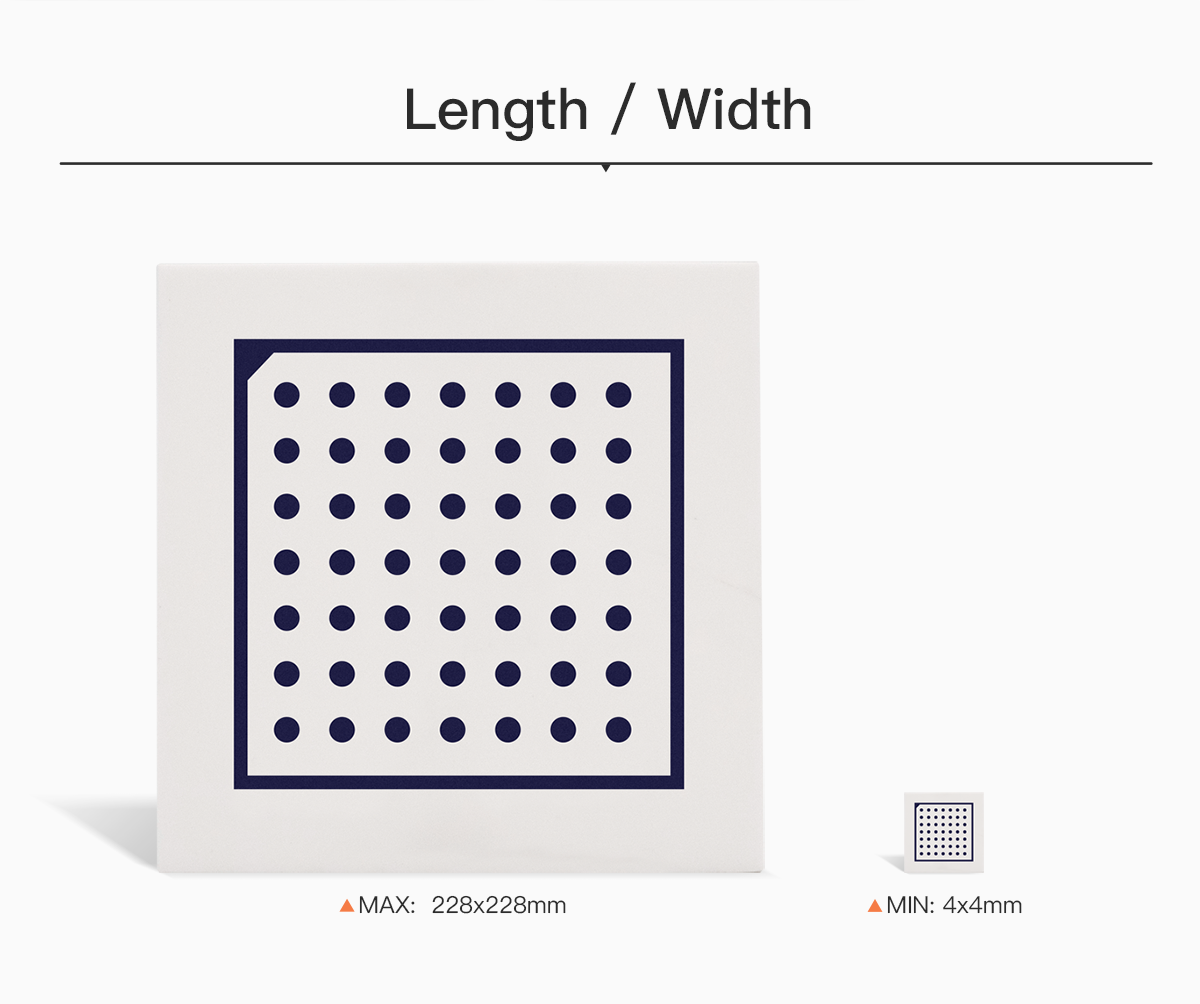
MIN: 4x4mm (±0.1mm) MAX: 228x228mm (±0.1mm) |
|||
| Coating Type |
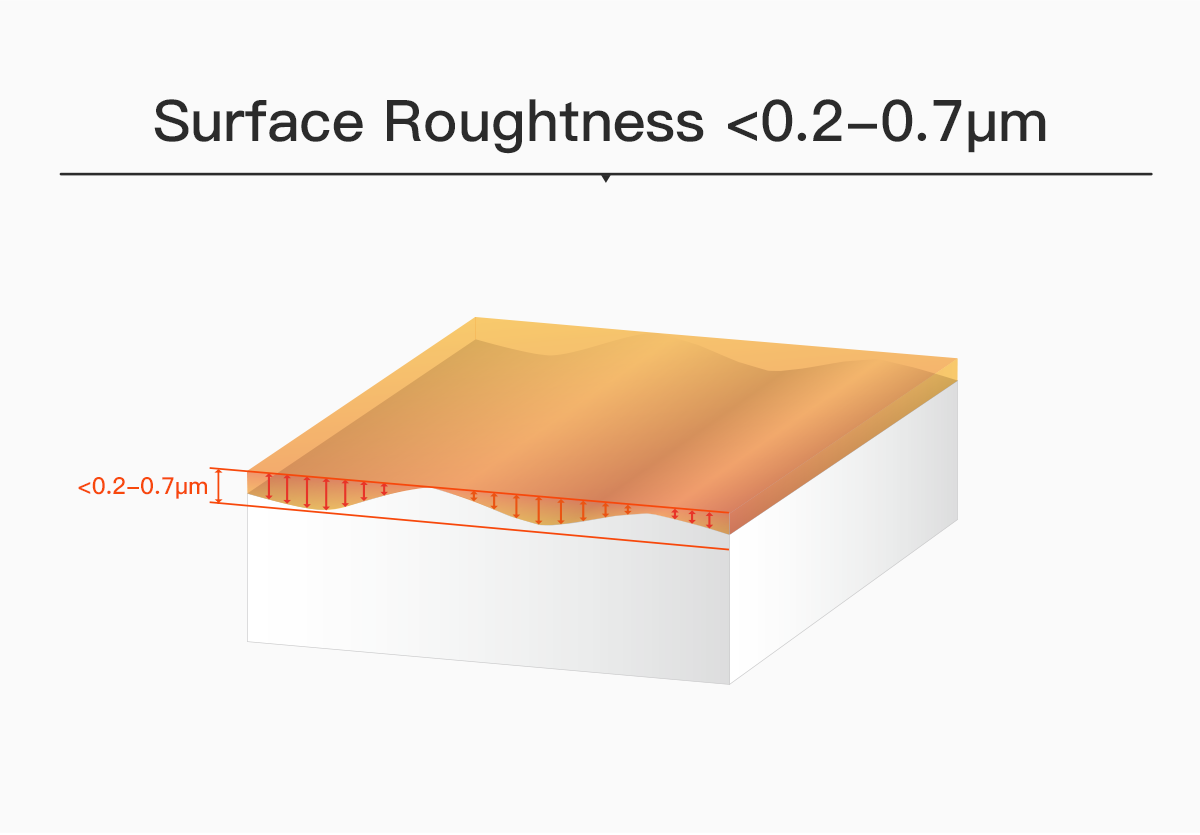
Chrome | Chrome | Surface Roughness | <0.2-0.7μm | |||
| Coating Glossy or Matte |
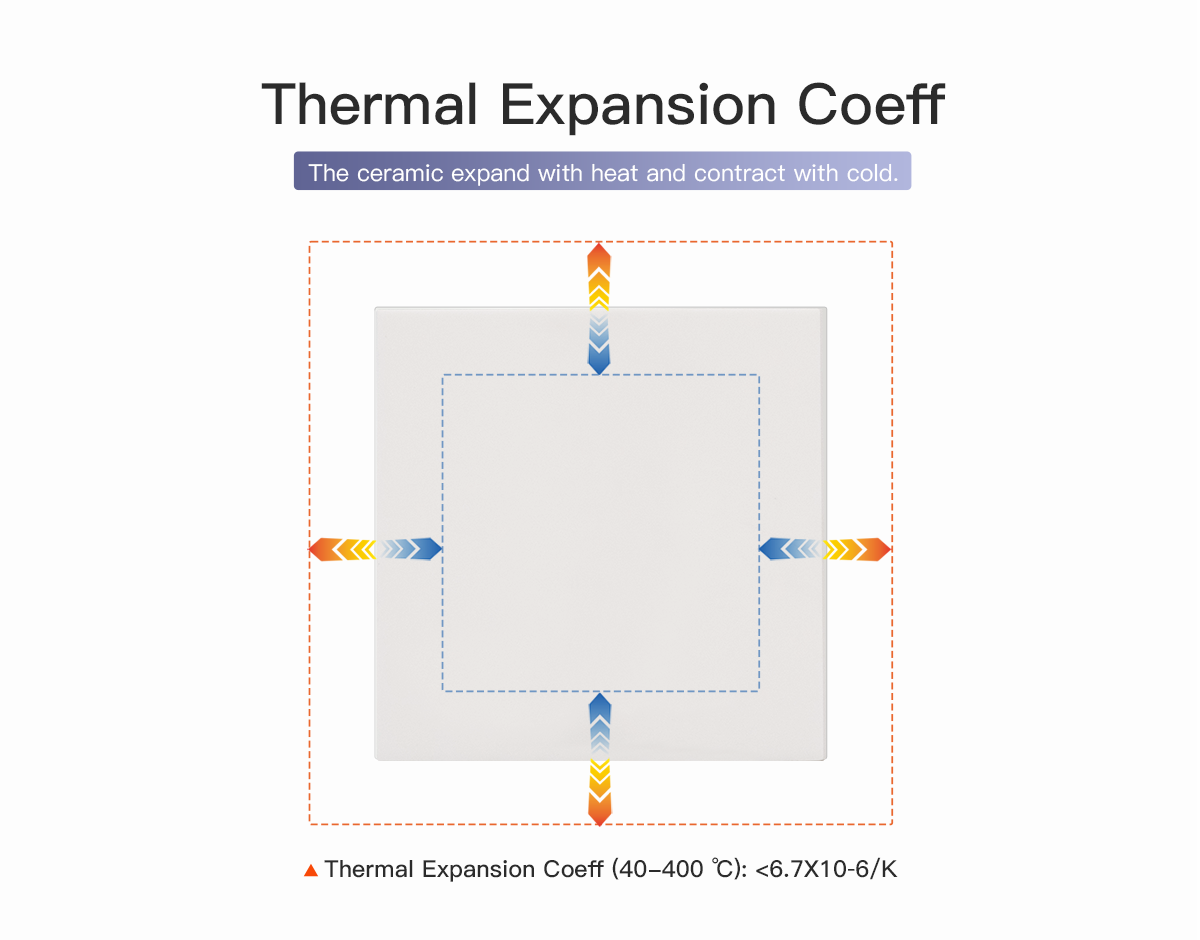
Matte | Glossy | Thermal Expansion Coeff (40-400 ℃) |
<6.7X10⁻6/K | |||
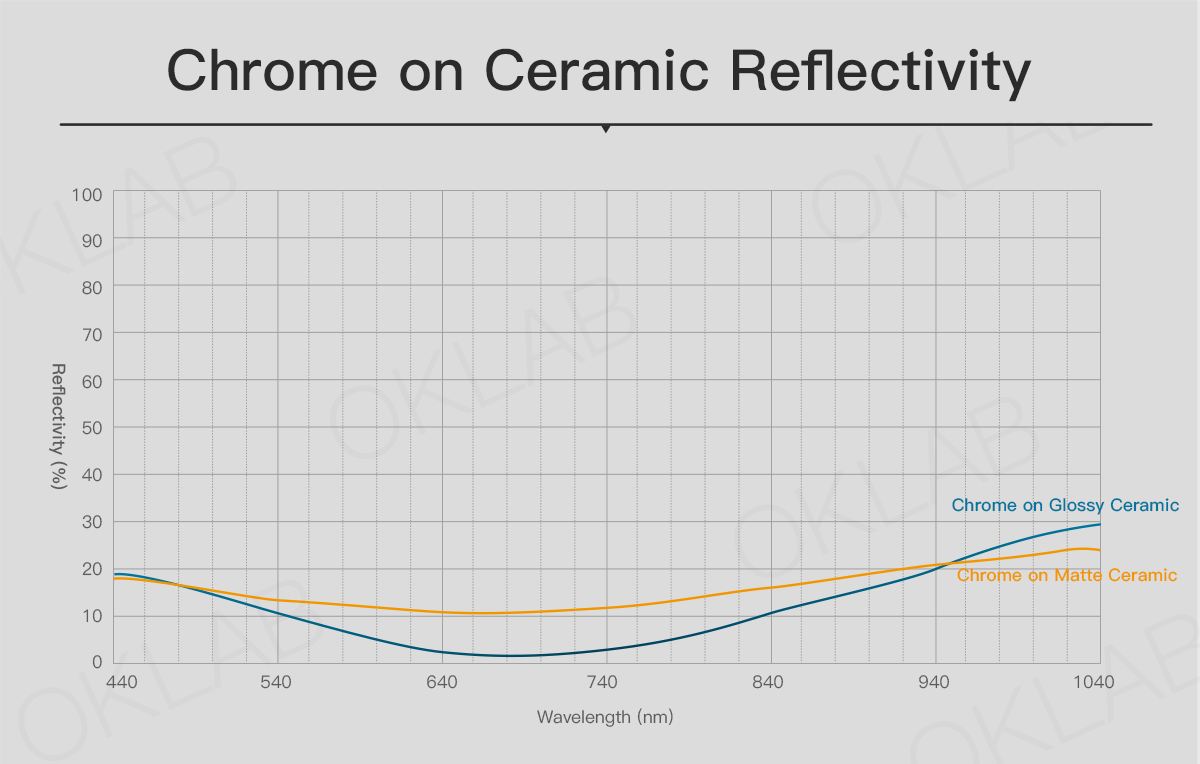
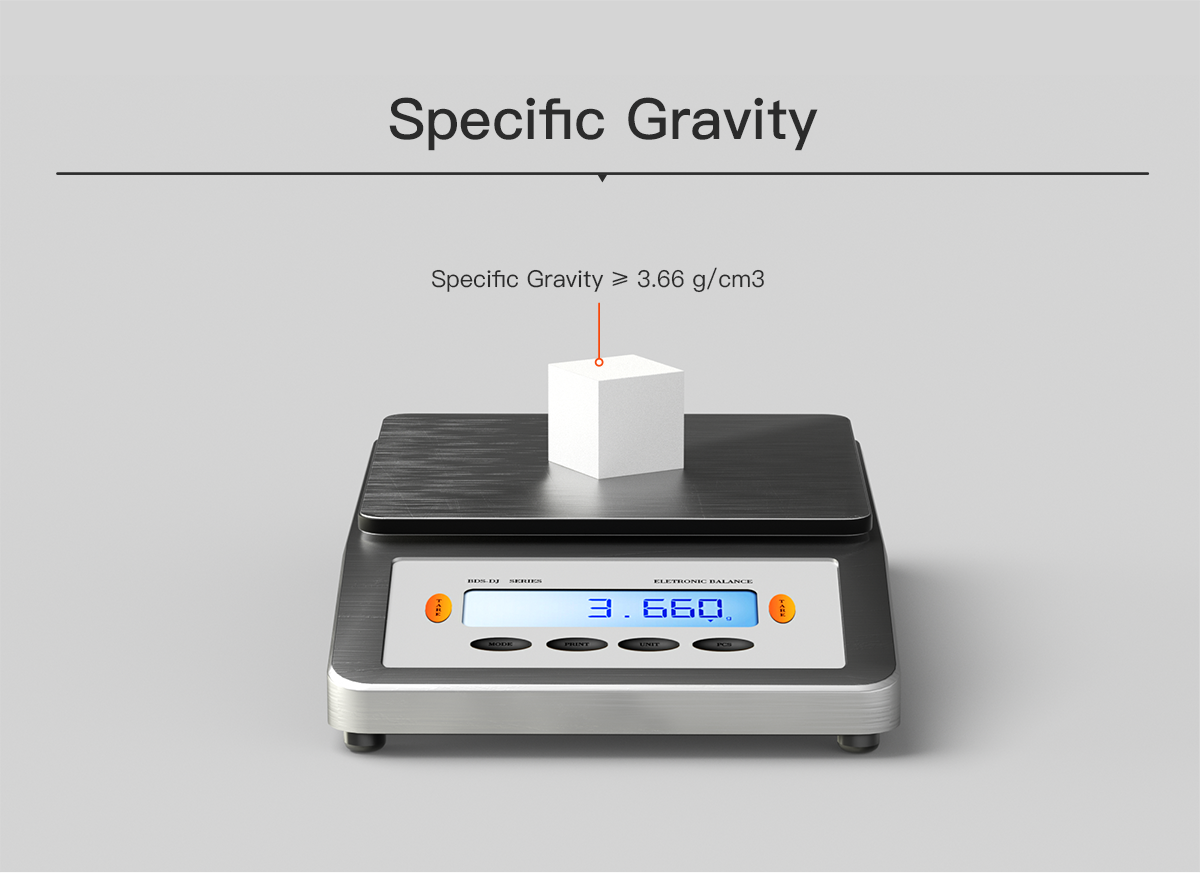
| Reflectivity | < 12.88% @550nm | < 9.56% @550nm | Specific Gravity | ≥ 3.66 g/cm3 | |||
| < 10.62% @650nm | < 1.89% @650nm | ||||||
| < 12.23% @750nm | < 11.168% @750nm | ||||||
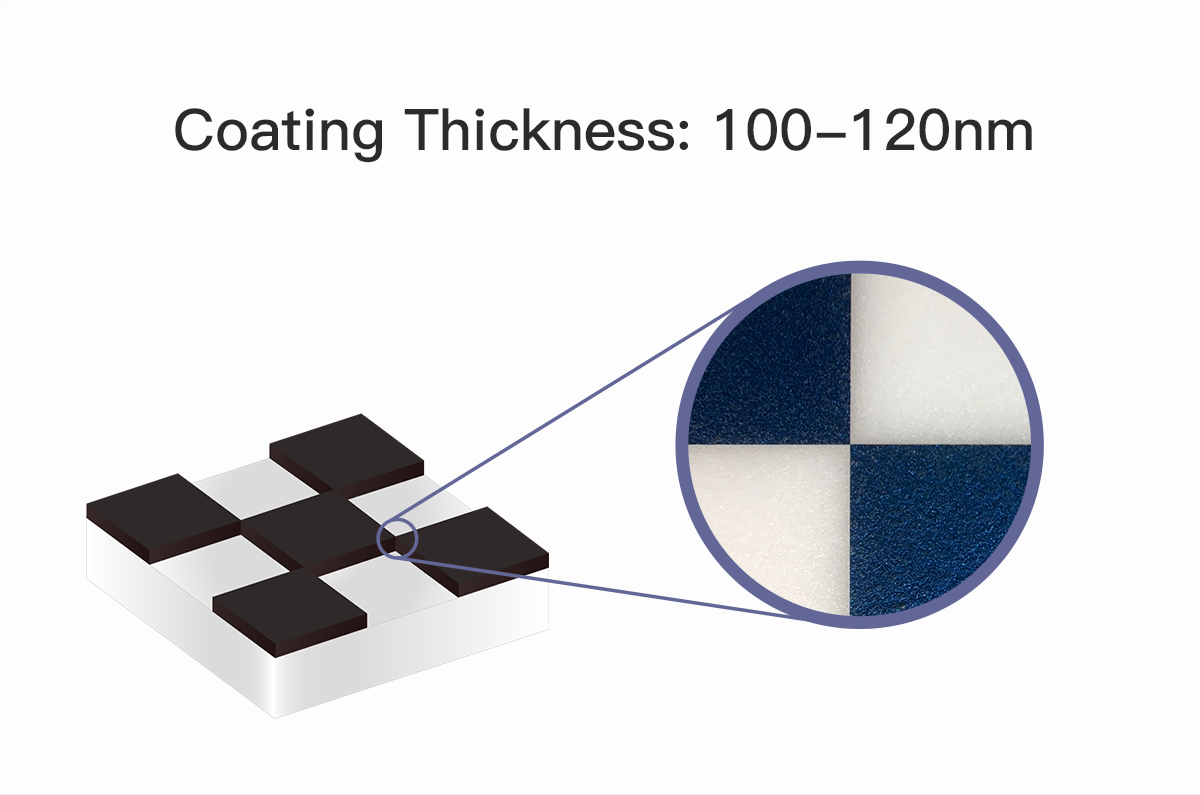
| Coating Thickness |
100-120nm | Rockwell hardness | ≥80 HRA | ||||
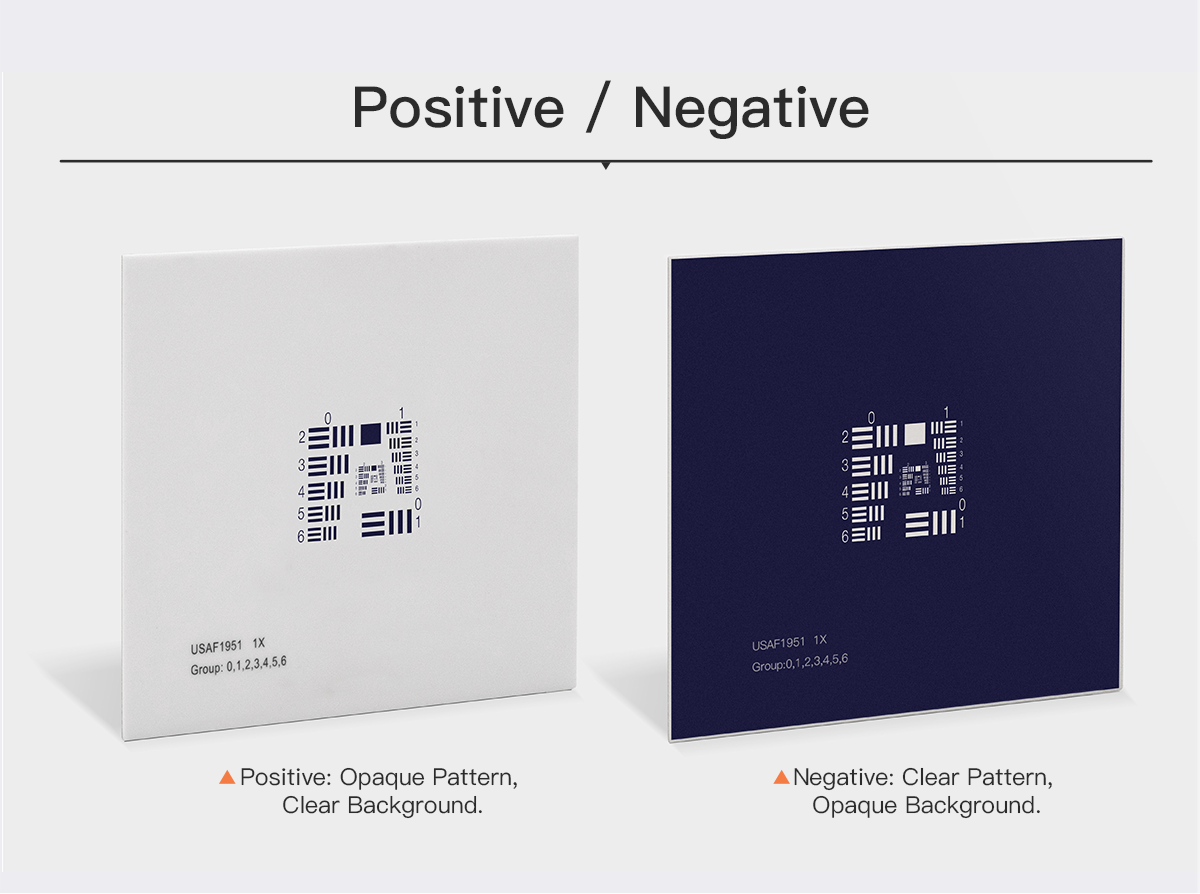
| Positive / Negative | Positive: Opaque Pattern, Clear Background. Negative: Clear Pattern, Opaque Background. |
Overall Shape | Any Shape by Laser Cutting |
Square | Oval | Round | |
| Protection layer | Pellicle above the chrome layer making the chrome pattern more durable. |
Special-shaped | Hole | Chamfer | Angle | Corner | |
Custom Chrome Photomask |
|||
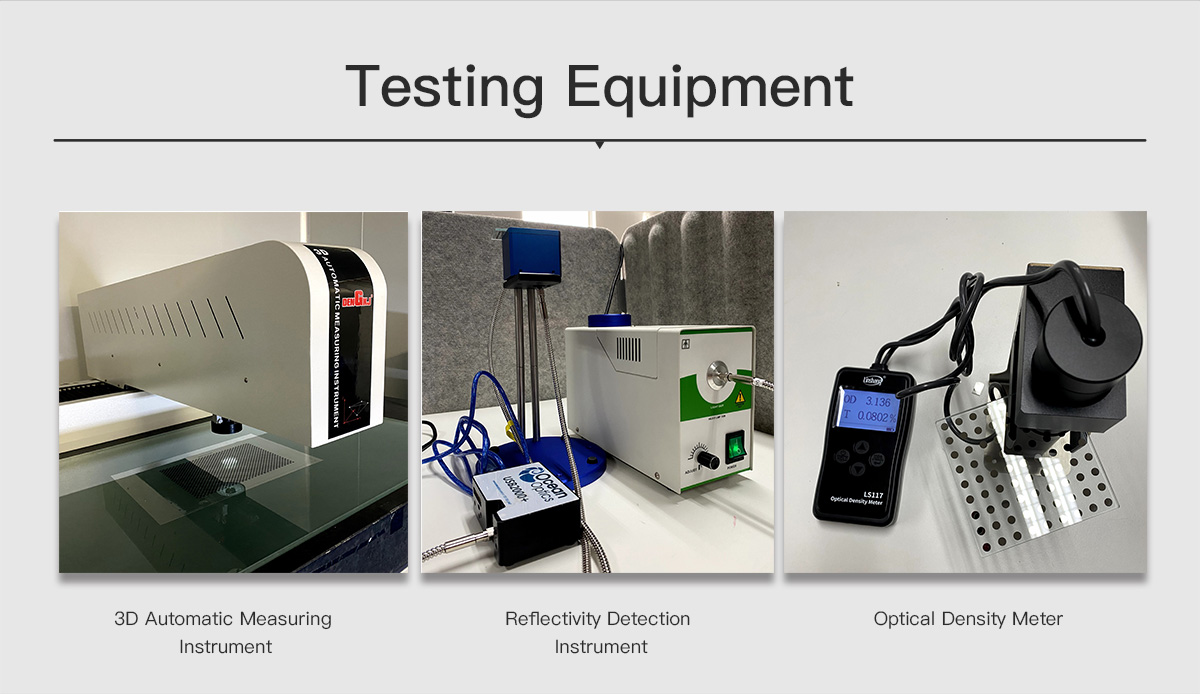
| Digitalize Drawing | Our engineers would help you digitize the drawing for free. | Third Party Certification | Provide third-party certification reports. |
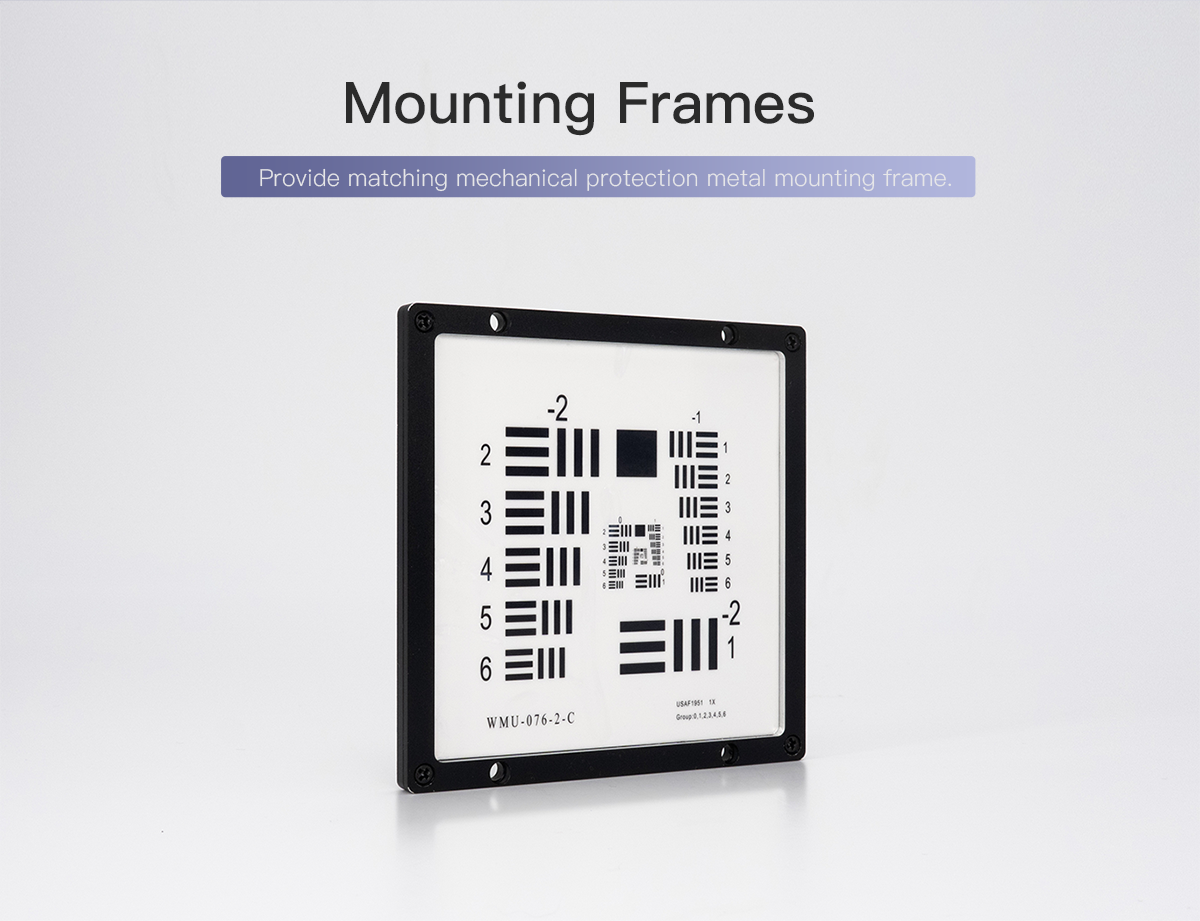
| Mounting Frames | Provide matching mechanical protection metal mounting frame. | Test Report by OKLAB | Available |
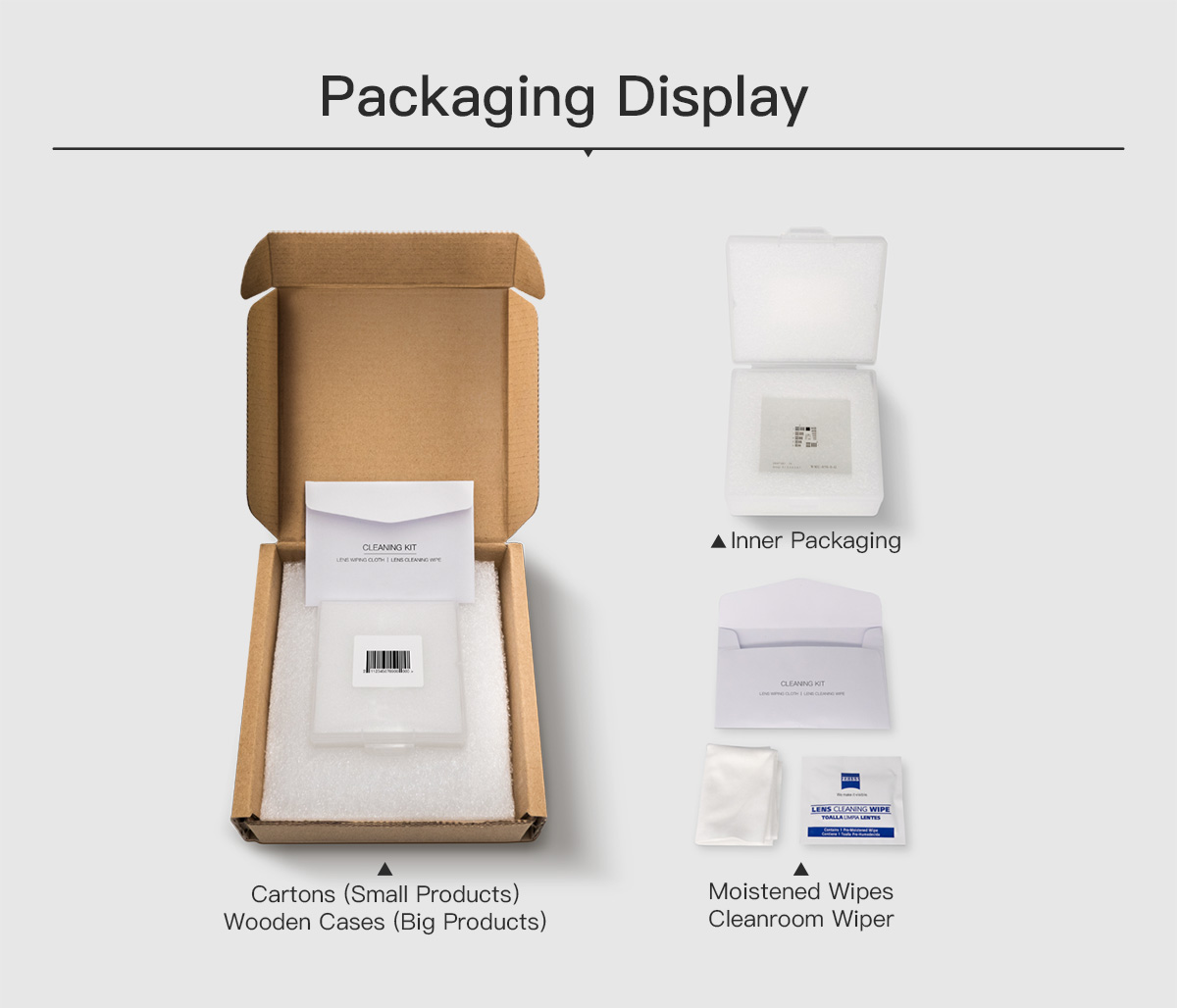
| Customization Quantity | Customization MOQ is 1 pcs. | Customization Production Days | 10-20 Working Days |
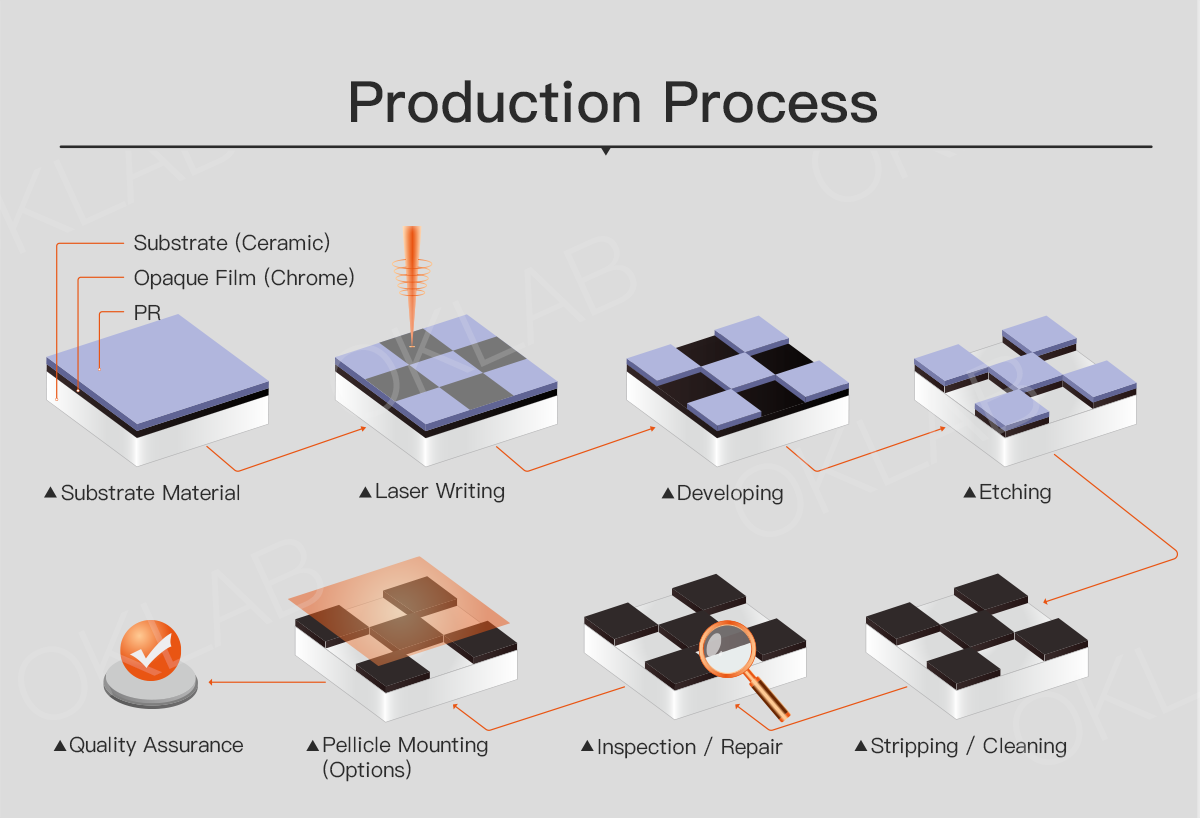
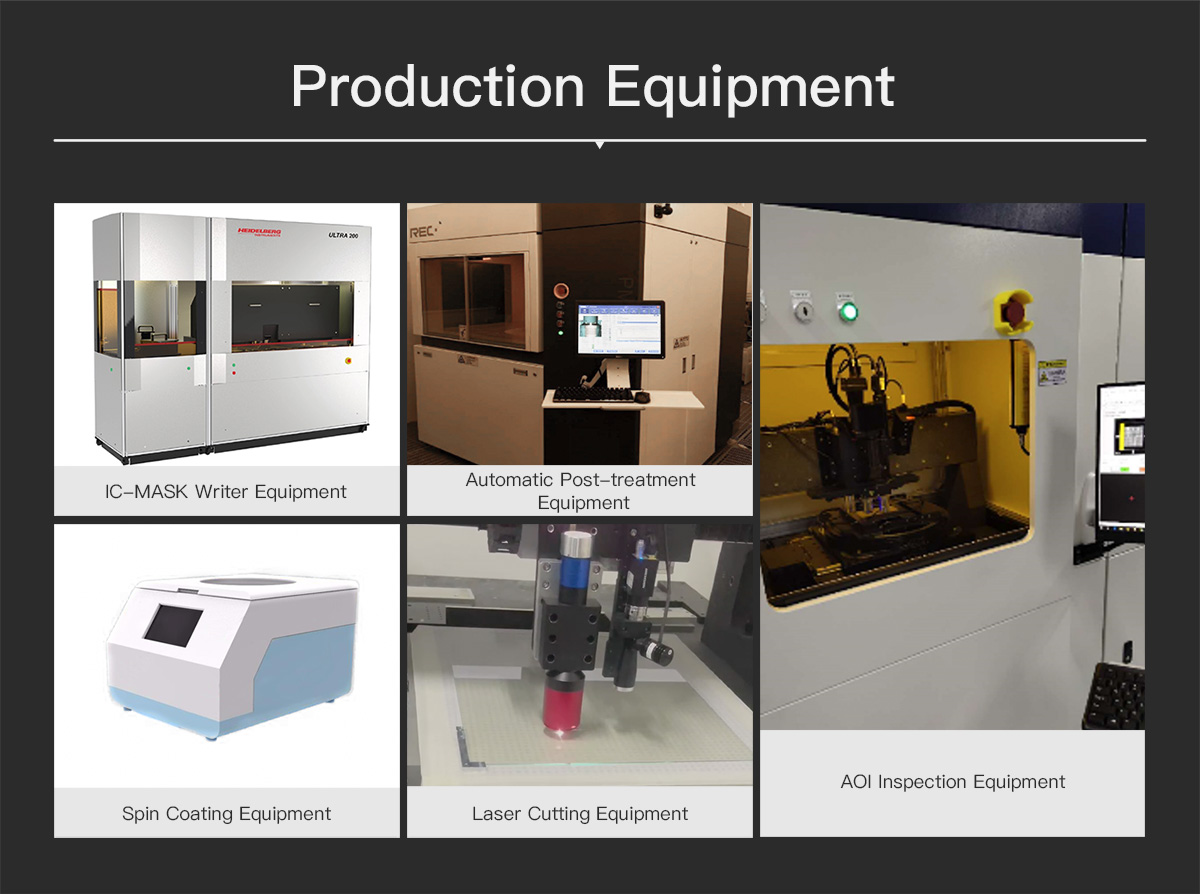
Production Process of Chrome Photomask
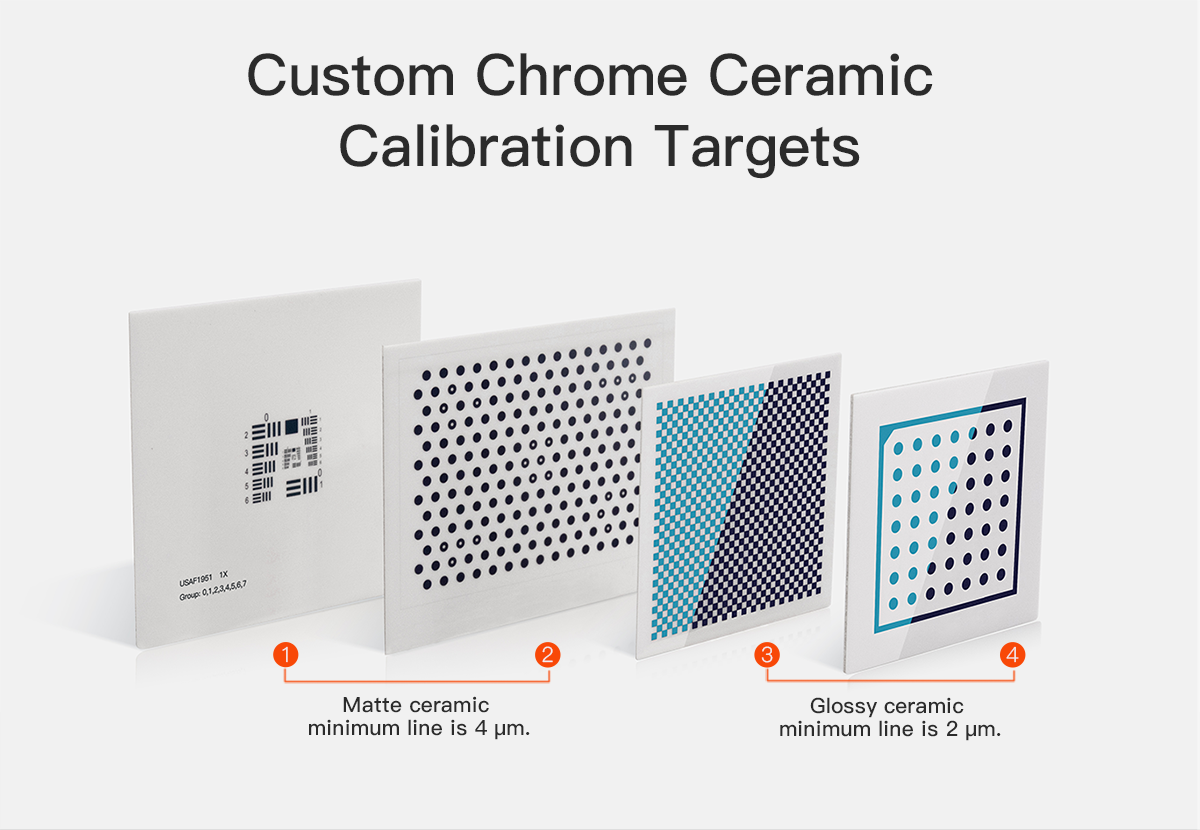
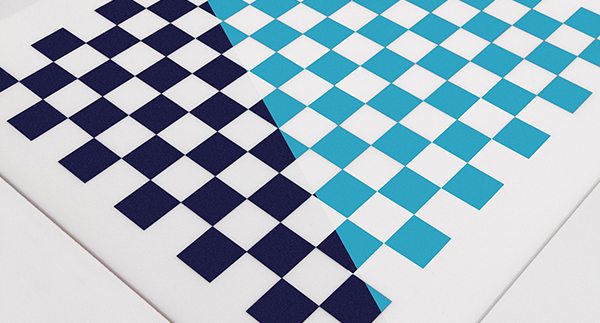
Coating Type of Chrome Photomask |
||
| Type | 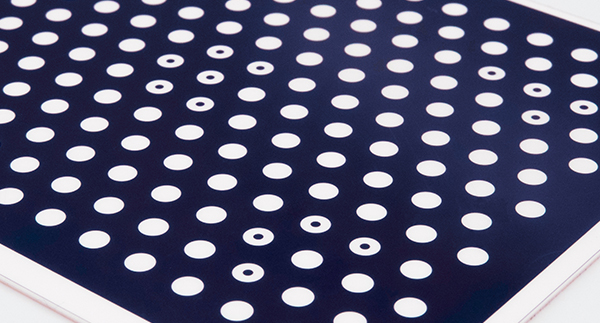 |
 |
| Matte Ceramic | Glossy Ceramic | |
| Minimum Line/space | 4μm | 2μm |
| Feature Accuracy | ±2μm | ±1μm |
| Overall Accuracy | ±2μm | ±1μm |
| Coating Type | Chrome | Chrome |
| Coating Glossy or Matte | Matte | Glossy |
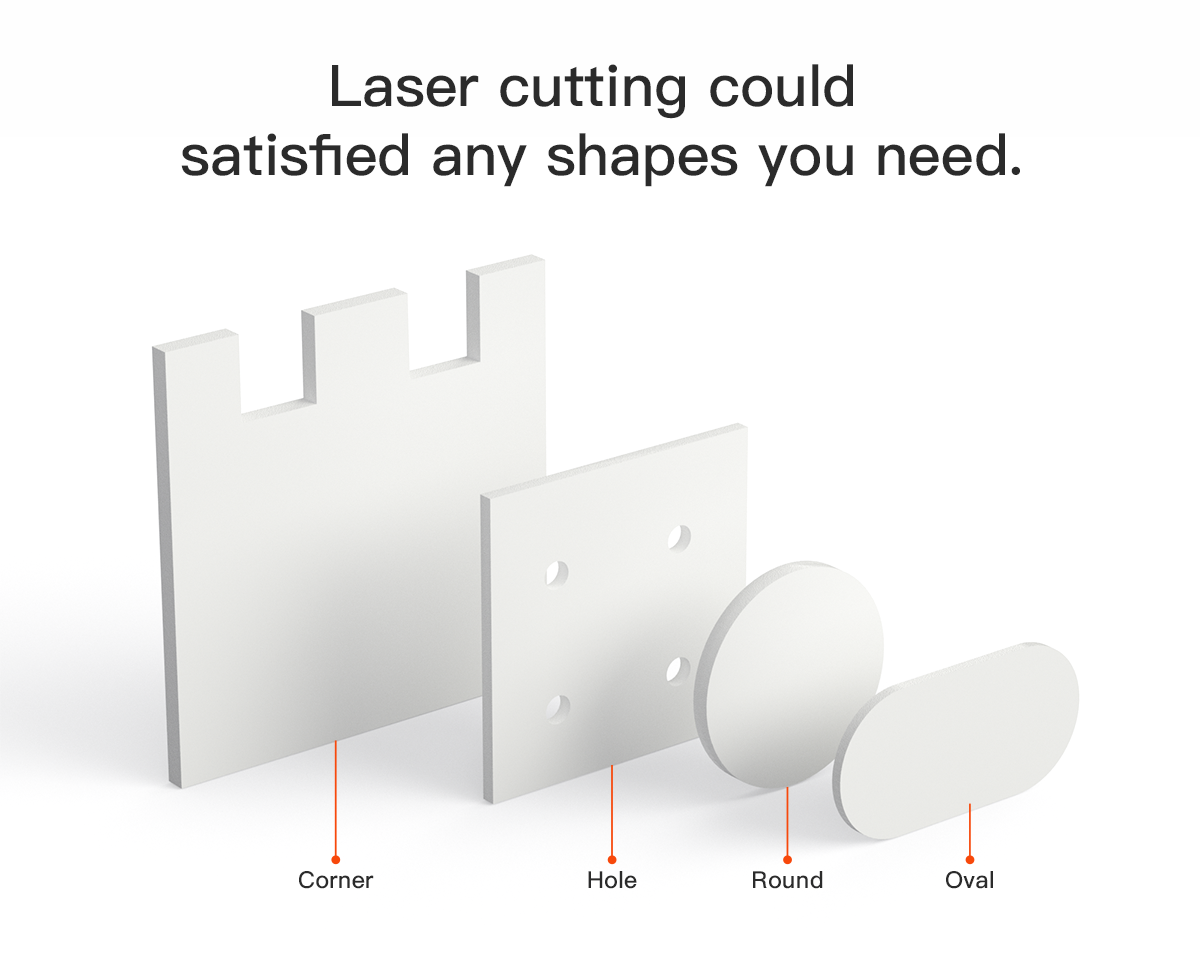
|
• Cutting is accurate, tolerance ±0.01mm. |
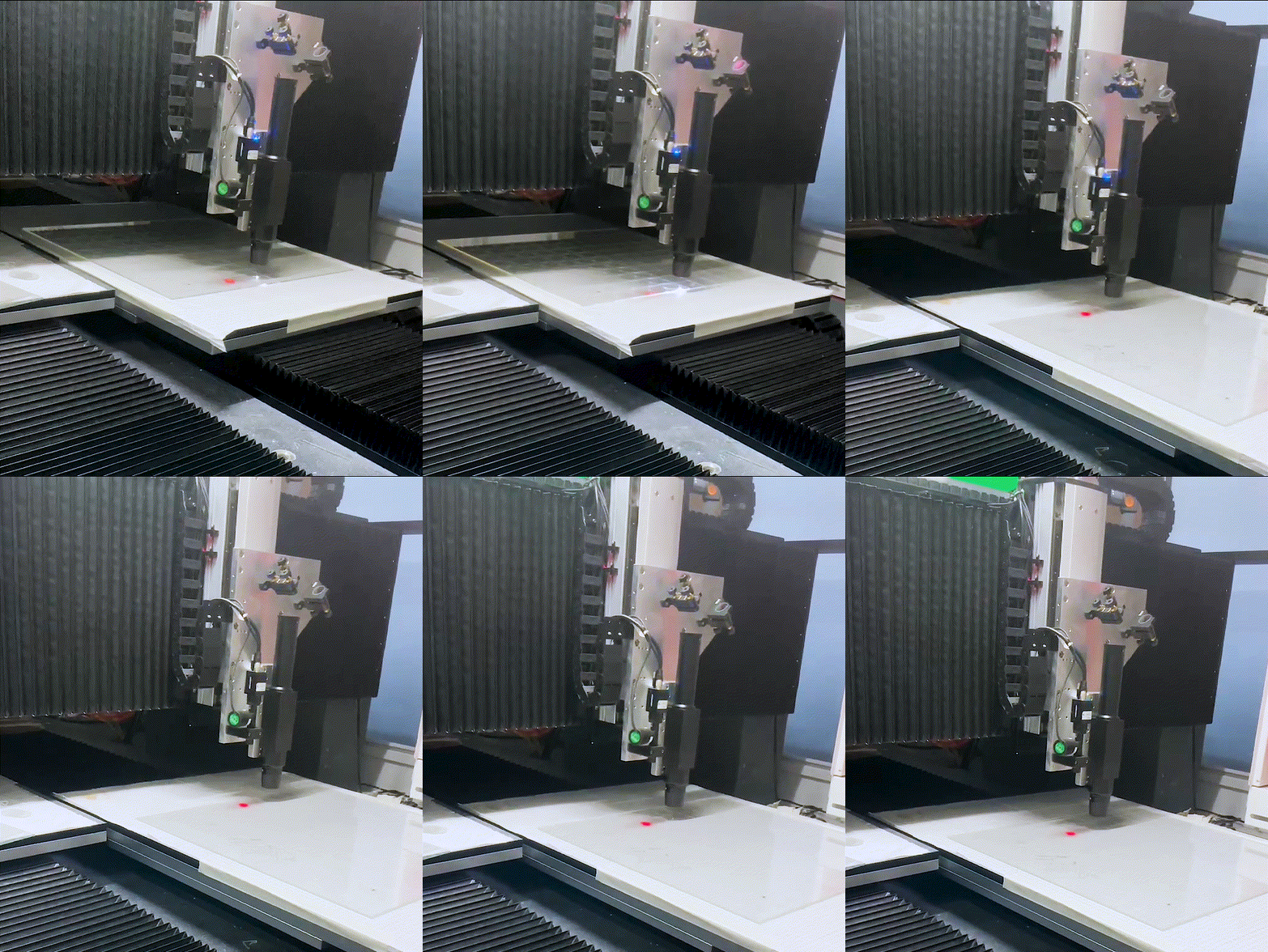 |

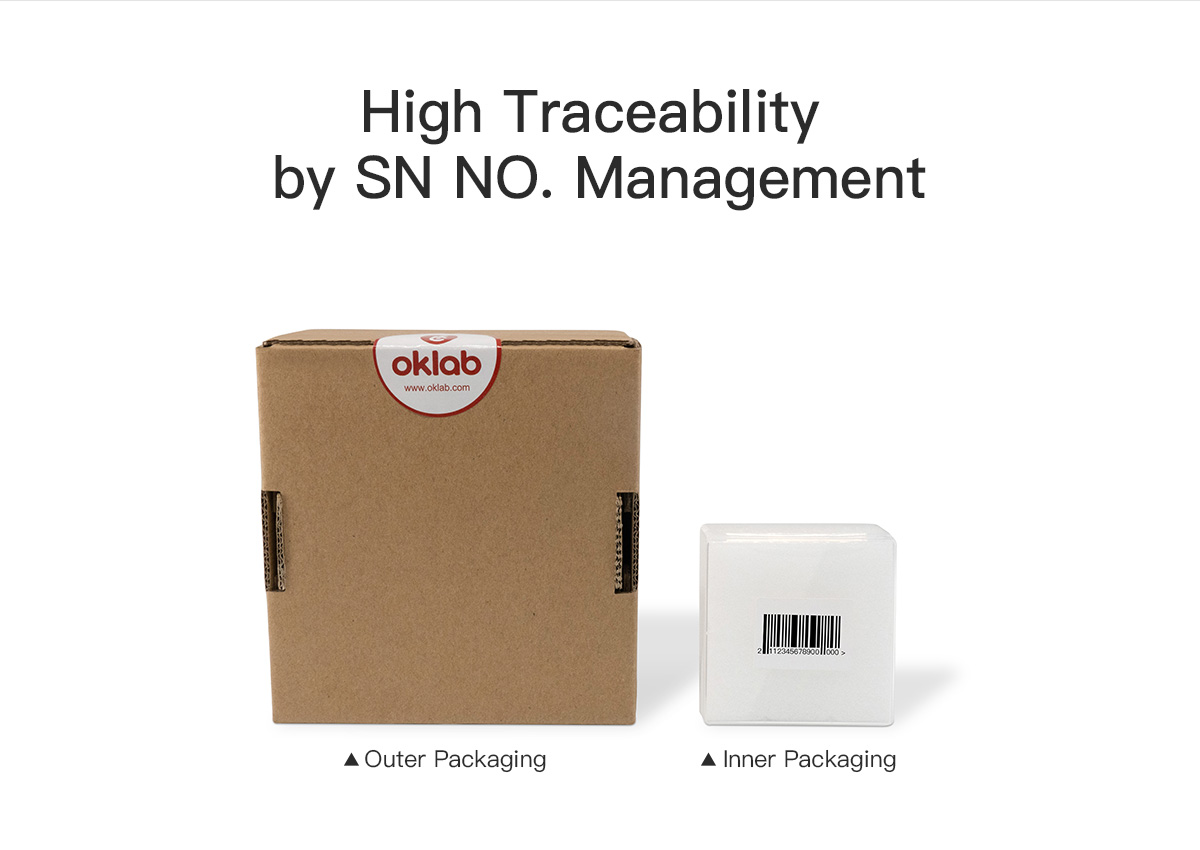
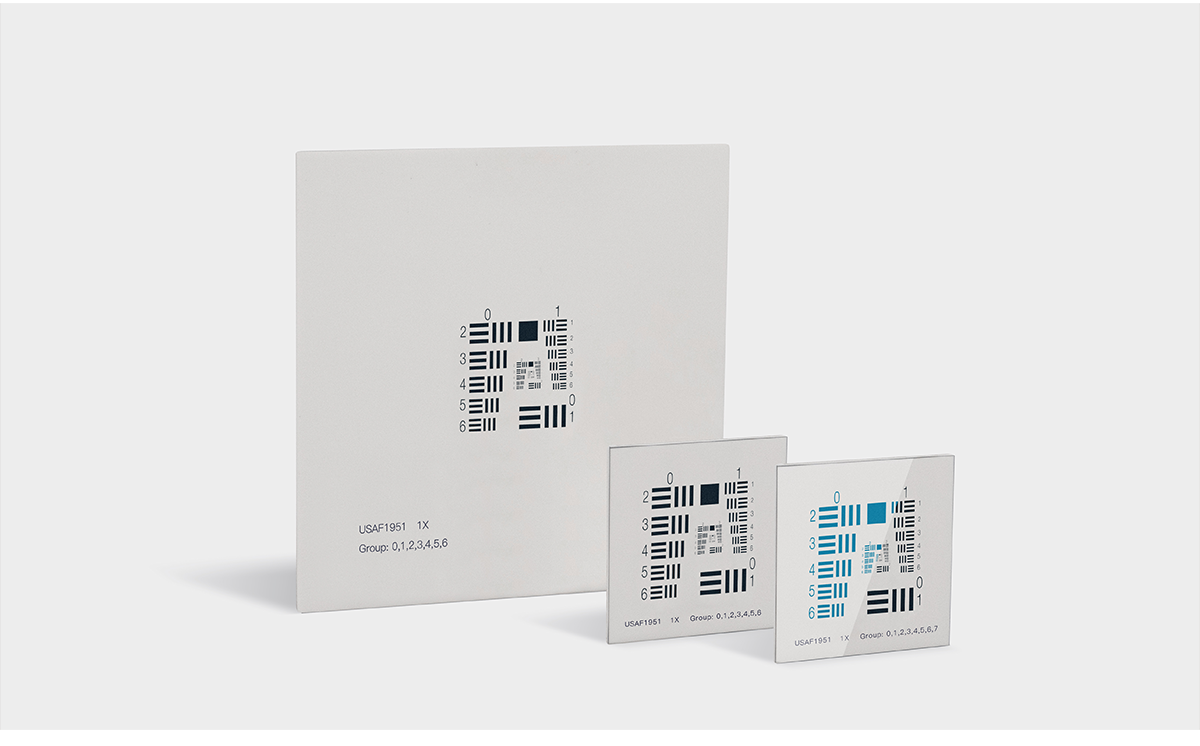
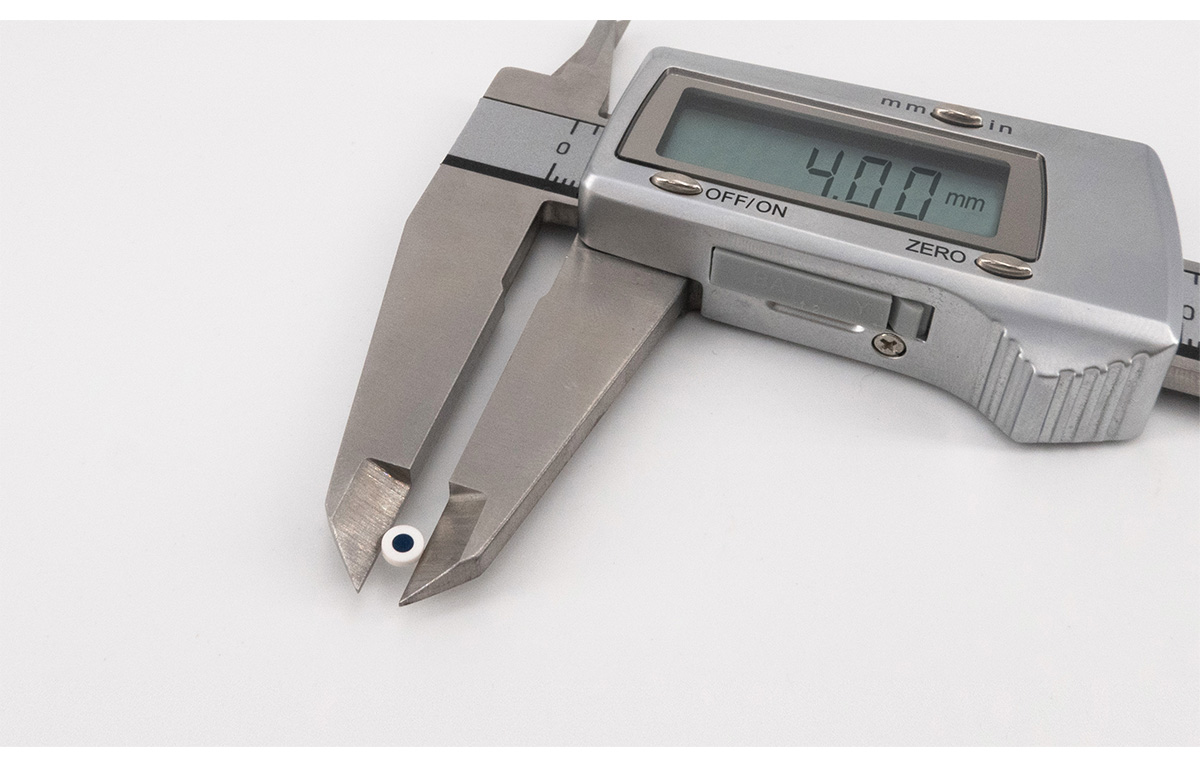
Product photograph of Chrome Photomask
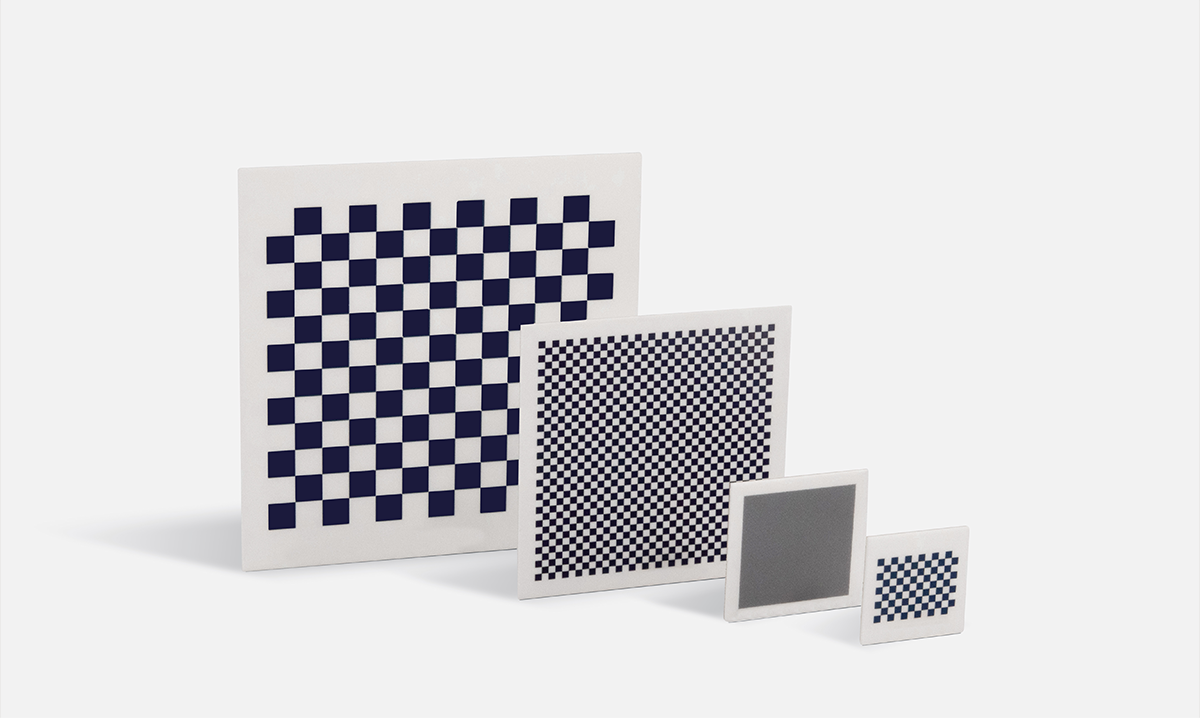
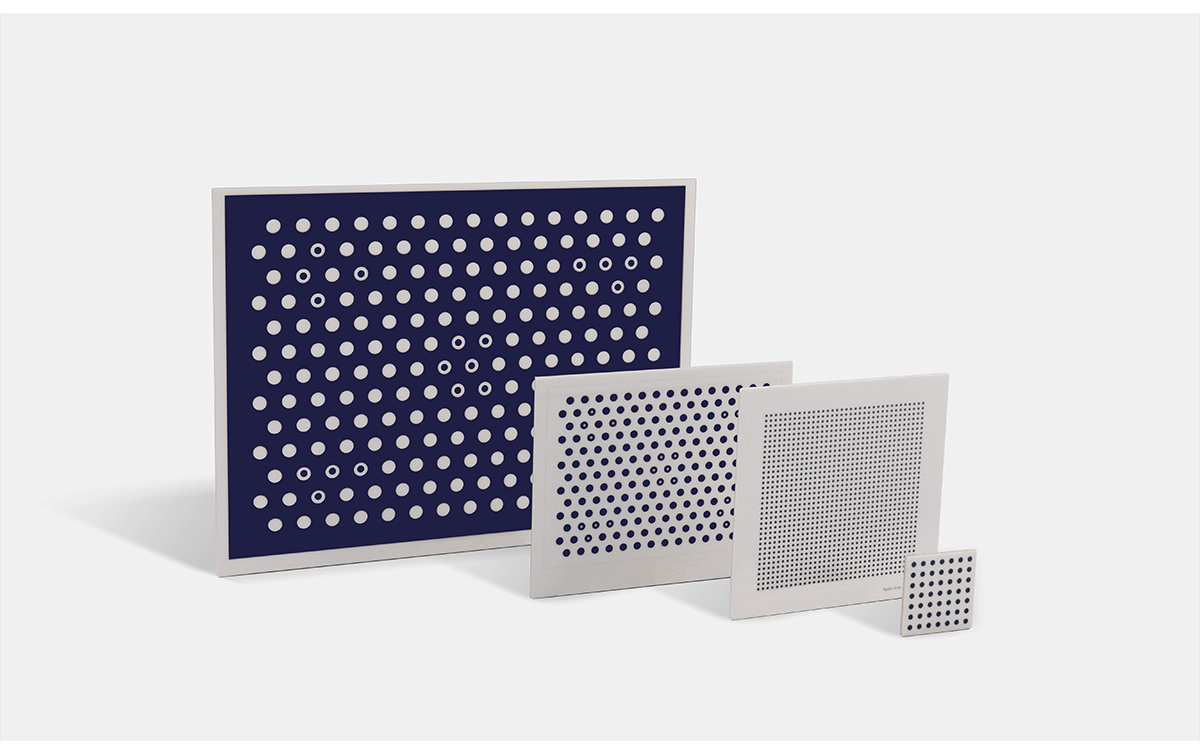
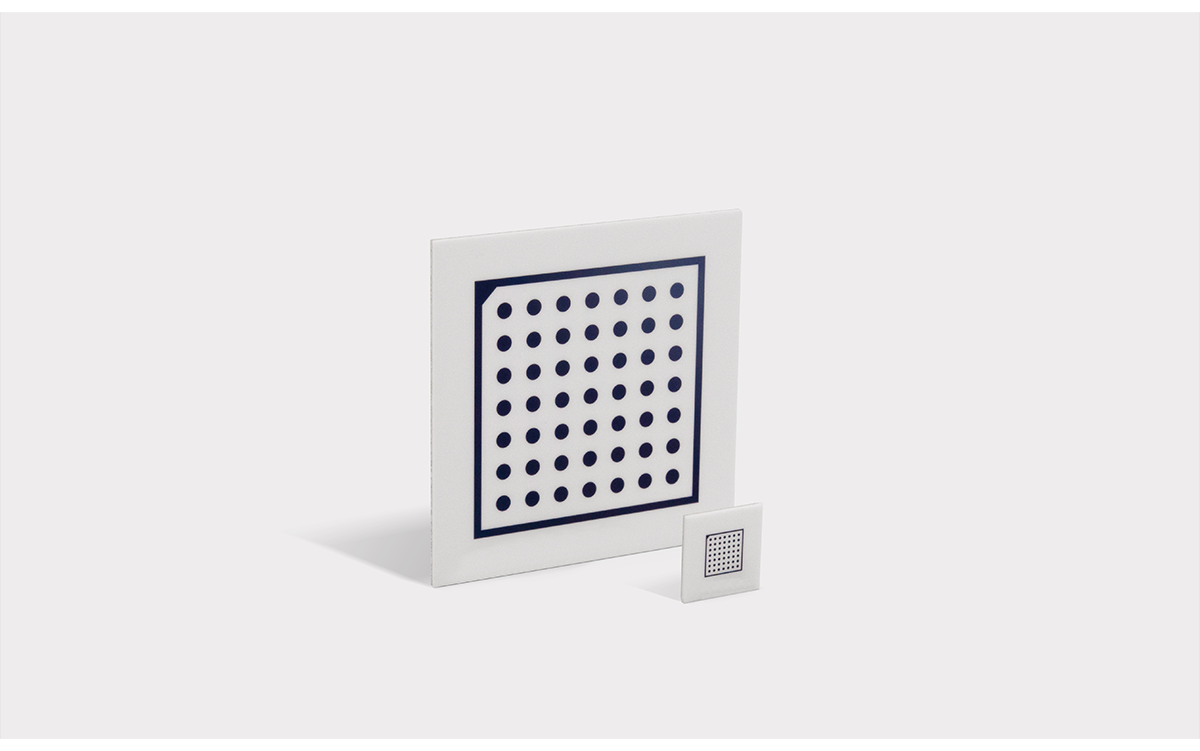

FAQ of Chrome Photomask
1. How does the ceramic substrate distinguish this Chrome Photomask from a glass photomask?
This product uses white or near-white reflective ceramic made from 96% compacted alumina instead of transparent glass. The rigid, reflective substrate makes it suitable as a Custom Ceramic Test Target for front-illuminated machine-vision measurement rather than conventional transmitted-light photolithography.
2. Should I choose a matte or glossy Chrome Photomask?
Choose according to the required feature size and lighting conditions. The matte version supports a minimum line/space of 4 μm with ±2 μm accuracy, while the glossy version supports 2 μm with ±1 μm accuracy. A matte Ceramic Calibration Target can help reduce sensitivity to directional reflections, whereas the glossy option is better suited to finer patterns when illumination is carefully controlled.
3. What lighting method should be used with this Chrome Photomask?
Use controlled front lighting or reflected-light illumination because the alumina substrate is reflective rather than transparent. For a Ceramic Optical Target, diffuse or coaxial illumination can improve pattern uniformity, but the best configuration depends on the camera angle, lens, chrome finish and required contrast.
4. How does the size of a Chrome Photomask affect its specified flatness?
Flatness is specified as less than 30 μm for dimensions below 100 mm, less than 60 μm below 200 mm and less than 100 μm above 200 mm. When a Chrome on Ceramic Target fills a large field of view, these values should be considered alongside lens depth of field and mounting stress.
5. Is a Chrome Photomask suitable for environments with temperature changes or mechanical handling?
The ceramic has a thermal expansion coefficient below 6.7 × 10⁻⁶/K over the stated 40–400°C range and a Rockwell hardness of at least 80 HRA. These properties support dimensional stability and handling durability, but the coefficient range should not be interpreted as the certified operating-temperature range of the finished target.
6. Which mechanical configurations can be customized for a Chrome Photomask?
Overall sizes can range from 4 × 4 mm to 228 × 228 mm, with substrate thicknesses of 0.38, 0.635, 1 or 2 mm. Laser cutting supports square, round, oval and special shapes, as well as holes, chamfers and corners. A matching protective metal mounting frame can also be supplied for system integration.